Tamper Evident Bags 101: Types of Tamper Evident Packaging and How Converting Builds In Proof of Opening
Tamper Evident Packaging Is Built In, Not Added On
Tamper evident packaging is not a feature you add to a bag at the end. It is built into how the bag is made. A pouch either has a verifiable way to show it has never been opened, or it does not, and that comes down to specific converting decisions made long before the bag ever reaches a filling line.
That distinction matters more than it sounds. A bag that merely looks sealed is not tamper evident. Genuinely tamper evident packaging makes any attempt at opening visible and irreversible, by design.
What Tamper Evident Packaging Actually Requires
Genuinely tamper evident packaging needs to make any attempt to open it visible and irreversible. That is a higher bar than a standard seal, and it is usually achieved through one or a combination of converting techniques.
Types of Tamper Evident Seals Used in Bag Manufacturing
- Die-cut tear strips: A precision-cut strip integrated into the bag structure that must be torn to access the contents, leaving a visible, non-repairable gap.
- Laser or hot-knife perforation: Controlled perforation lines that weaken the film exactly where it should tear, and nowhere else, so the tear cannot be disguised afterward.
- Secondary tamper seals: An inner seal layer distinct from the main seal, so even if the outer seal is tampered with, the inner one shows evidence of interference.
- Tamper evident tape and labels: An external applied layer that leaves a void or VOID pattern behind when peeled, often used alongside the bag’s own built-in seal for a visible second layer of evidence.
Each of these tamper evident seal types has to be converted with tight tolerances. A tear strip positioned a millimeter off, or a perforation that is too deep or too shallow, either fails to tear cleanly or weakens the bag’s overall integrity, which defeats the purpose either way.
Where Precision Converting Makes the Difference
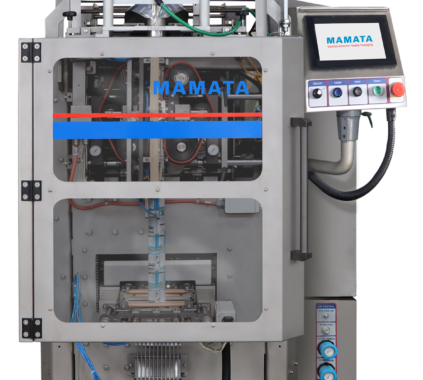
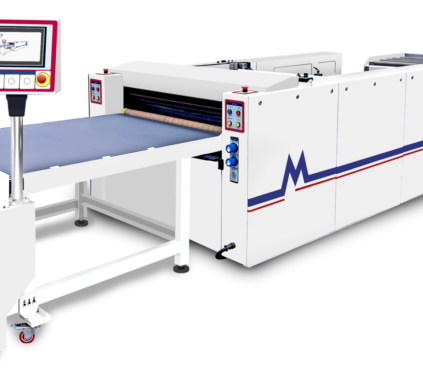
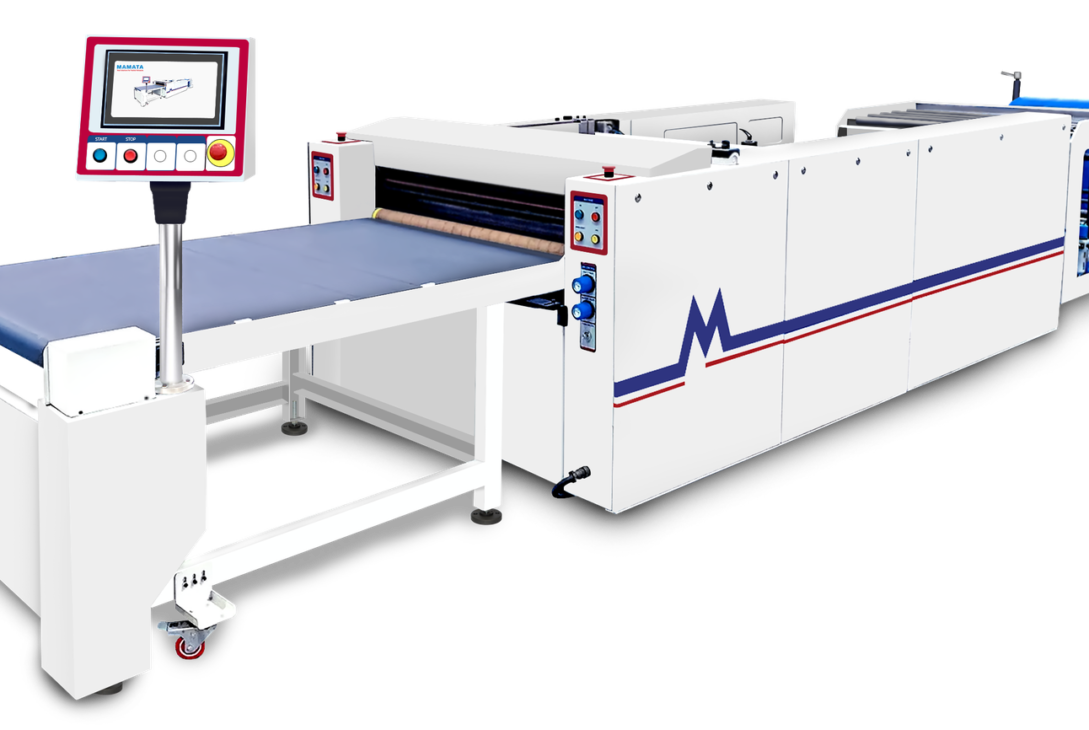
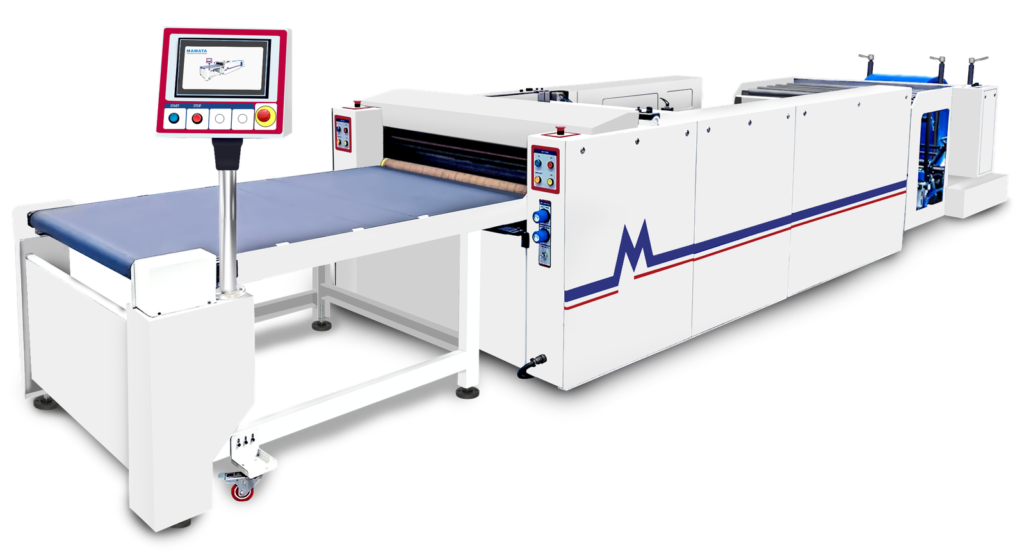
This is where the converting machine itself matters more than it might seem. Consistent registration, meaning printed graphics, perforation lines, and seal positions staying aligned bag after bag at speed, is what separates tamper evident packaging that works reliably from a feature that is inconsistent enough to create false alarms, or worse, false confidence.
Line speed compounds this. A tamper evident feature that converts perfectly at slow trial speeds but drifts out of registration at full commercial speed is not actually production ready. It simply has not been stress-tested yet.
How Converters Actually Verify Tamper Evident Packaging
Tamper evident claims get validated the same way barrier claims do, with testing rather than assumption. Common checks include pull and peel tests on the tamper seal to confirm it fails visibly rather than silently, visual batch sampling for tear-strip registration, and functional open-and-inspect testing to confirm the tamper evidence is actually obvious to an end user, not just technically present.
For pharmaceutical, food, and personal care brands, this often needs to be documented, with a record showing the feature was converted to spec, batch after batch, not just designed into the original film structure.

Why More Industries Are Adopting Tamper Evident Packaging
Tamper evident formats used to be mostly a pharma and food-safety requirement. That has changed. Categories from nutraceuticals to premium snacks to personal care are now adopting tamper evident bags as a trust signal for consumers who are increasingly conscious about product integrity, especially for anything bought online and shipped rather than picked off a shelf.
Choosing the Right Tamper Evident Format for Your Product
The right tamper evident packaging format depends on how the product is used, not just what category it is in. A single-use sachet or pouch usually only needs a tear strip or perforation line, since it is opened once and discarded. A resealable pouch needs a tamper evident feature that still functions after the first opening, such as a secondary tamper seal beneath a reusable zipper. Products with strict regulatory requirements, such as pharmaceuticals, often need two independent tamper evident features rather than one, so a failure of one does not leave the pack silently compromised.
Regulatory Requirements for Tamper Evident Packaging
Tamper evident packaging is not optional in every category. In the United States, the FDA’s tamper-resistant packaging requirements apply to most over-the-counter drug products, requiring at least one indicator or barrier to entry that is distinctive by design and clearly labeled on the pack so a consumer knows what to look for. Many food categories fall under similar expectations even without an identical federal rule, driven by retailer requirements and liability concerns rather than a single regulation.
Outside the United States, requirements vary by country and category, but the general direction is the same: regulated categories increasingly expect a documented, testable tamper evident feature rather than a packaging format that merely looks secure. Converters supplying regulated categories usually need to provide documentation showing the tamper evident feature was validated, not just designed in.
Tamper Evident Packaging Across Industries
- Pharmaceuticals and over-the-counter drugs: Often the strictest category, frequently requiring two independent tamper evident features and full documentation under regulatory oversight.
- Food and beverage: Driven by both safety concerns and retailer requirements, particularly for products that are consumed without further processing or cooking.
- Nutraceuticals and supplements: Adopting tamper evident features at a fast pace, largely as a consumer trust signal in a category that already faces scrutiny over product authenticity.
- Personal care and cosmetics: Increasingly using tamper evident bags for products shipped direct to consumer, where the brand has no control over handling between the warehouse and the customer’s door.
The common thread across all of these is that tamper evident packaging is shifting from a pharma-only requirement to a general expectation anywhere a brand cannot personally vouch for a product’s handling chain.
Sustainability and Tamper Evident Packaging
Tamper evident features add a design constraint that sustainability-focused films now have to work around. A tear strip or secondary seal layer that relies on a different material than the rest of the pouch can complicate recycling, since mono-material recyclable structures need every added feature to use a compatible resin rather than a mismatched one bonded on top.
This is pushing converters toward tamper evident solutions built from the same base polymer family as the pouch itself, such as all-PE tear strip constructions, so that a bag can carry a genuine tamper evident feature without being pulled out of its recyclable material stream. Brands moving toward recyclable packaging should ask specifically how a proposed tamper evident feature affects the pouch’s recyclability claim, not assume it is neutral.
Frequently Asked Questions About Tamper Evident Packaging
What Does Tamper Evident Mean in Packaging?
Tamper evident means a package is designed so that any attempt to open or access it leaves a visible, irreversible sign, such as a torn strip, a broken seal, or a VOID pattern, making it obvious to the next person who handles it.
Is Tamper Evident the Same as Tamper Proof?
No. Tamper proof implies a package cannot be opened at all without destroying it entirely, which is rarely achievable in practice. Tamper evident packaging accepts that a determined person could open it, but ensures that doing so leaves unmistakable evidence.
Which Industries Require Tamper Evident Packaging?
Pharmaceuticals, over-the-counter medicine, and many food categories have regulatory requirements for tamper evident packaging. Nutraceuticals, premium snacks, personal care, and e-commerce shipped goods increasingly use it voluntarily as a trust signal.
How Is a Tamper Evident Seal Tested?
Converters typically run pull and peel strength tests to confirm the seal fails visibly rather than silently, along with visual batch sampling to confirm tear strips and perforations register correctly at full production speed.
The Takeaway
Tamper evident packaging is only as trustworthy as the precision it was converted with, and only as credible as the testing behind the claim. For converters, the real differentiator is not just offering tear-strip or perforation options. It is being able to hold those features to tight, repeatable tolerances at full production speed, bag after bag, batch after batch.
For related reading, see our guide to barrier film for how the film structure beneath a tamper evident feature is engineered, and our guide to pick fill seal machines for how pre-made tamper evident pouches are filled and sealed.