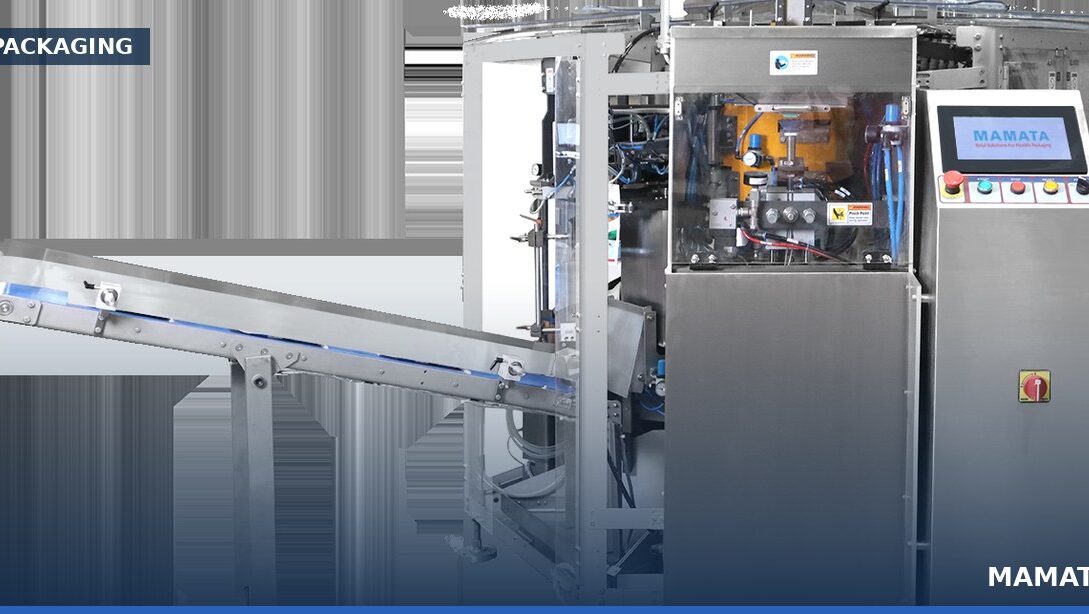
Pick Fill Seal vs VFFS: Which Packaging Solution Fits Your Production?
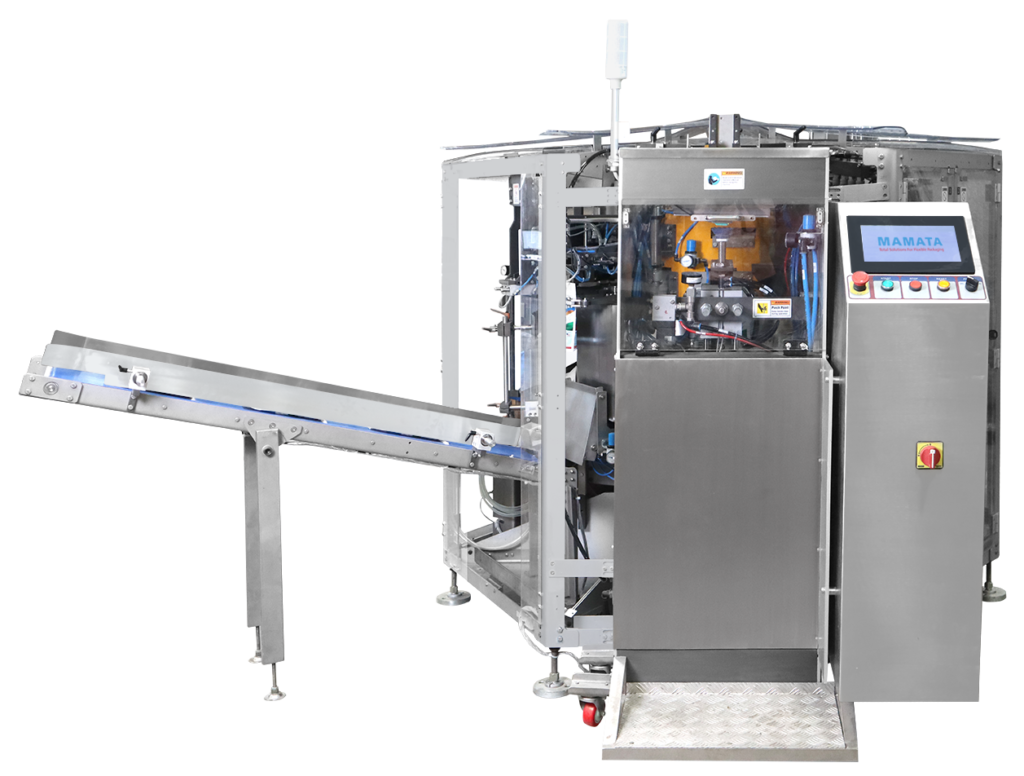
Two Ways to Get From Film to Filled Pouch
Pick fill seal and VFFS, vertical form fill seal, both end at the same place, a filled, sealed pouch ready for shelf or shipment, but they start from genuinely different points. A pick fill seal machine loads and fills pre-made pouches that were converted elsewhere, while a VFFS machine forms the pouch itself from a roll of flat film, fills it, and seals it, all in one continuous in-line process. That single difference cascades into nearly every other decision a converter or brand has to make when choosing between them.
How a VFFS Line Actually Works
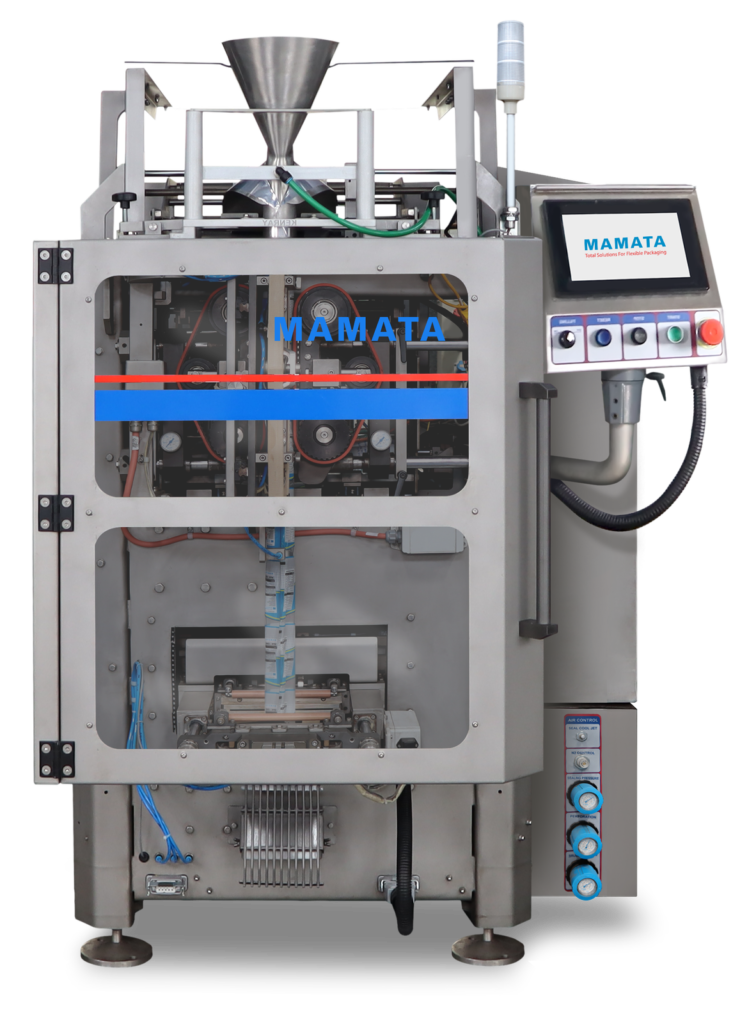
A VFFS machine pulls film from a roll, forms it around a forming tube into a vertical tube shape, seals the vertical back seam, then fills product down through the tube before sealing the bottom and top of each individual bag. The pouch is quite literally created as part of the same continuous motion that fills and seals it, which is why VFFS lines are often prized for their speed and lower per-unit packaging cost on high-volume, simpler pouch formats like pillow bags.
The tradeoff is pouch format flexibility. Because the pouch shape is dictated by the forming tube and sealing jaws, VFFS lines are generally best suited to simpler pouch geometries, and switching to a meaningfully different pouch style often requires significant tooling changes.
How a Pick Fill Seal Line Actually Works
A pick fill seal machine starts from pre-made pouches, already converted elsewhere with whatever shape, printing, and reclosure features (zippers, spouts, specific gussets) the product needs. The machine picks each pouch from a magazine, opens it, fills it, and seals it, without forming the pouch itself as part of the process.
This separation of pouch-making from filling is exactly what gives pick fill seal its main advantage: pouch format flexibility. Since the pouches are converted independently, a pick fill seal line can run genuinely complex formats, stand-up pouches with spouts, pouches with zippers, pouches with unusual gusset geometry, that would be far harder to produce inline on a VFFS machine. The tradeoff is cost and complexity on the converting side, since those pre-made pouches have to be manufactured and transported before they ever reach the filling line.
Comparing the Two Directly
- Pouch complexity: VFFS favors simple, consistent pouch geometries. Pick fill seal handles complex formats, spouts, zippers, unusual shapes, far more easily.
- Per-unit cost at high volume: VFFS is typically more cost-efficient for simple, very high-volume formats, since the pouch is formed inline without a separate converting and transport step.
- Line footprint and speed: VFFS lines tend to be faster for simple pouch formats and can have a smaller footprint relative to output, since forming, filling, and sealing happen in one continuous motion.
- Format changeover: Pick fill seal generally offers easier changeover between very different formats, since the pouches themselves are pre-made and simply swapped, compared to VFFS tooling changes for a different forming tube.
- Branding and print quality: Pre-made pouches for pick fill seal are often converted with higher-end printing processes, which can matter for premium or highly branded packaging.
A Practical Way to Decide Between Them
The decision usually comes down to two real questions: how complex is the pouch format the product actually needs, and how much does per-unit packaging cost matter relative to format flexibility. A high-volume, simple-format product, many dry snacks and commodity goods, often favors VFFS for its speed and lower per-unit cost. A product that needs a reclosure feature, a distinctive shape, or premium shelf presentation, many personal care, pet food, and specialty food products, often favors pick fill seal for the format flexibility it allows.
Some brands running a varied product line end up using both, VFFS for simpler, higher-volume SKUs and pick fill seal for formats that genuinely need the added converting flexibility, rather than forcing every product through a single packaging approach.
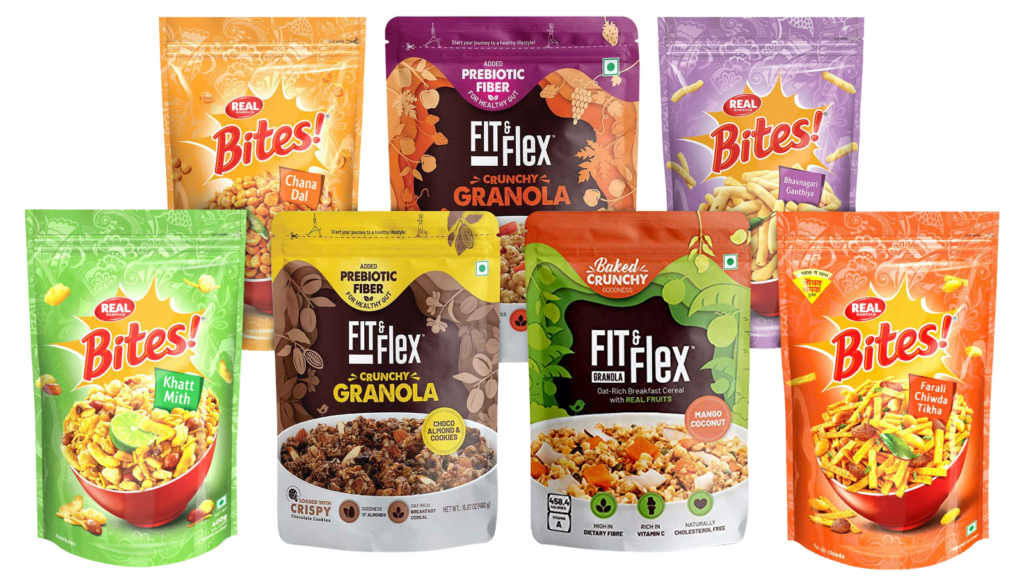
What This Means for Format-Specific Products
For products that specifically need a spout or zipper, the decision tilts further toward pick fill seal almost by default, since those features are built into the pouch during converting rather than during the fill cycle itself. See our guide to spout and zipper pouch converting for what that converting process actually requires, and our guide to pick fill seal machines for a deeper look at how pre-made pouches are handled and filled on that side of the comparison.
Frequently Asked Questions About Pick Fill Seal and VFFS
Which Is Faster, Pick Fill Seal or VFFS?
For simple, standard pouch formats, VFFS is generally faster since pouch forming, filling, and sealing all happen in one continuous inline process. For complex formats with spouts or zippers, pick fill seal is often more practical even if raw speed is comparable or somewhat lower.
Can VFFS Machines Make Stand-Up Pouches?
Some VFFS machines can produce certain stand-up pouch styles with specialized bottom-forming tooling, but the format range is generally narrower than what a pick fill seal line can handle using pre-made pouches converted independently.
Is Pick Fill Seal More Expensive Than VFFS?
Typically yes, on a per-unit basis, since pre-made pouches have to be manufactured and transported separately before filling, compared to VFFS forming the pouch inline as part of the same process that fills and seals it.
Can a Brand Use Both VFFS and Pick Fill Seal?
Yes, many brands use VFFS for high-volume, simple-format products and pick fill seal for products needing more complex pouch features, rather than standardizing their entire product line on a single packaging approach.
The Takeaway
Pick fill seal and VFFS are not competing for the same job, they solve different packaging problems. VFFS wins on speed and cost for simple, high-volume pouch formats. Pick fill seal wins on flexibility for complex formats that need features built in during converting. The right choice comes down to matching the technology to the actual pouch your product needs, not defaulting to whichever approach is more familiar.
For related reading, see our guide to pick fill seal machines for more detail on that side of the comparison, and our guide to spout and zipper pouch converting for how complex pouch features are actually built before they ever reach a filling line.