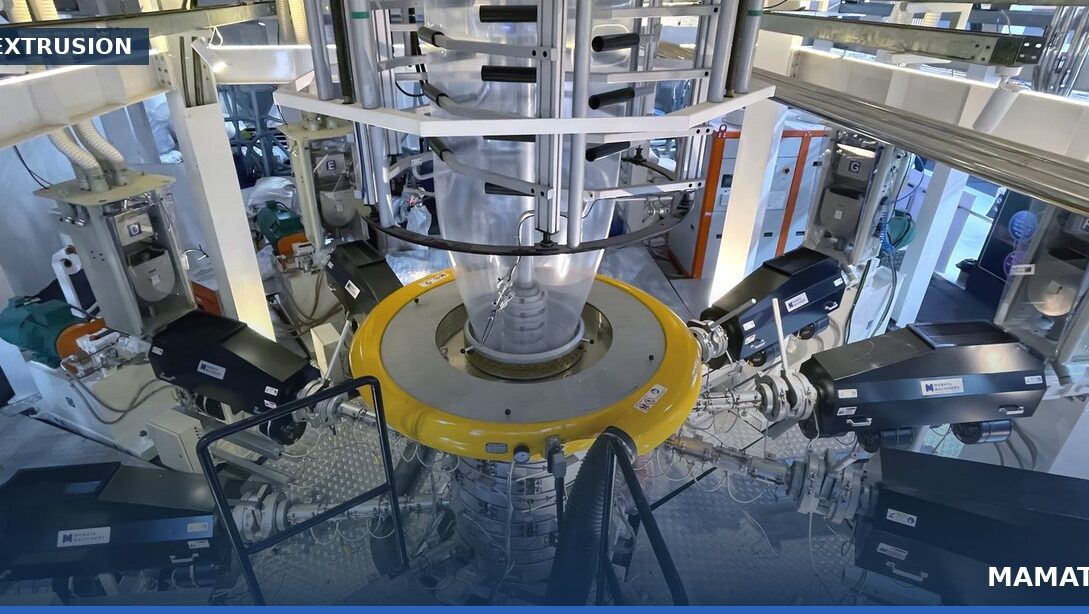
High Barrier Film vs High Clarity Film: Why You Usually Cannot Have Both
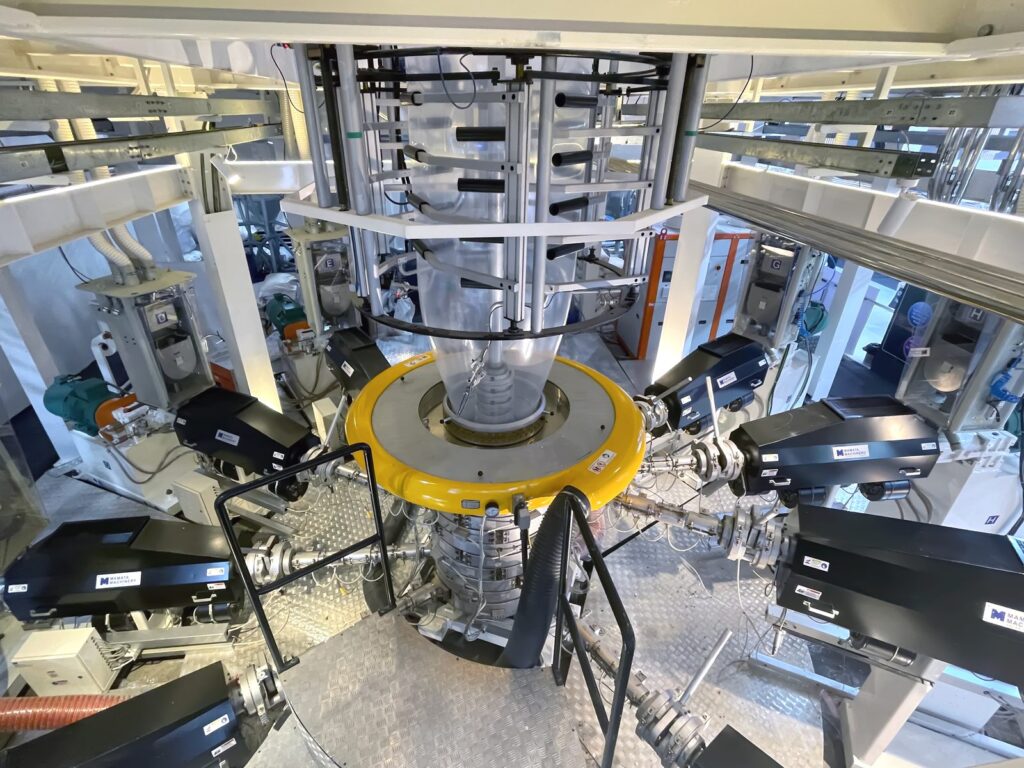
The Trade-Off Every Film Spec Eventually Runs Into
Ask for a film that blocks oxygen like a metal can and looks as clear as a water bottle, and most extrusion engineers will tell you the same thing: pick one to prioritize. High barrier film and high clarity film are not opposites by accident. The same structural choices that give a film strong oxygen and moisture barrier are usually the ones that cost it clarity, and the reverse is just as true.
For a brand choosing a film structure, or a converter specifying one, understanding why this trade-off exists makes it much easier to ask for the right thing instead of asking for both and being surprised when a sample does not deliver.
What Actually Makes a Film High Barrier
A high barrier film gets its performance from specific materials layered into the structure, most commonly EVOH (ethylene vinyl alcohol) or specialty barrier nylon. These materials are excellent at blocking oxygen transmission, but they are not naturally transparent in the way a simple PE film is. EVOH in particular can introduce a visible tint or haze, especially in thicker layers or in multi-pass coextrusion where layer uniformity is harder to control.
Metallized film and foil-based structures push barrier performance even further, using a thin vapor-deposited aluminum layer, but they give up clarity almost entirely in exchange, since the product inside becomes invisible to the consumer.
What Actually Makes a Film High Clarity
High clarity film leans on the opposite set of material choices. Polyethylene and polypropylene, run with tightly controlled crystallinity and smooth, even cooling during the blown film process, produce the glass-like transparency brands want for window packaging or premium shelf appeal. These resins are excellent at moisture barrier but comparatively weak on oxygen barrier, which is exactly the property EVOH and nylon exist to solve.
Cooling rate matters as much as resin choice here. A film cooled too slowly develops larger crystalline structures that scatter light and reduce clarity, which is why precise temperature control at the die and air ring is as important to a clear film as it is to a barrier film, just for a different reason.
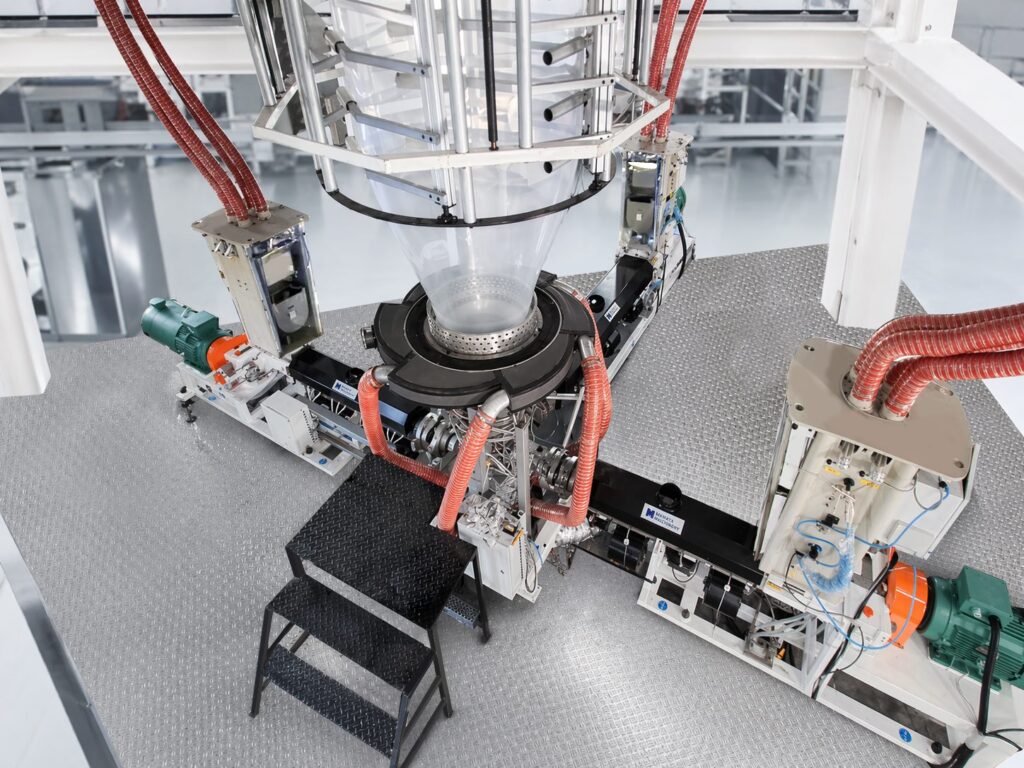
Why the Two Properties Compete at the Structural Level
- Layer count and thickness: Strong oxygen barrier usually needs a dedicated EVOH or nylon layer thick enough to do its job, and every added functional layer is another interface that can scatter light and reduce clarity.
- Tie layers: The adhesive layers that bond chemically dissimilar barrier and structural materials together add further interfaces, and interface mismatch is one of the biggest contributors to haze in a multi-layer film.
- Crystallinity: The polymer structures that give PE and PP their clarity are different from the ones that give EVOH and nylon their barrier strength, so optimizing a blend for one tends to pull it away from the other.
- Metallization and coatings: The cheapest route to very high barrier, a metallized layer, eliminates clarity entirely rather than just reducing it, which is why it only makes sense for opaque or foil-look packaging.
Where the Push Toward High-Clarity Recyclable Barrier Film Is Headed
This trade-off is exactly what is driving some of the most active resin and process development in flexible packaging right now. As brands move toward mono-material, recyclable structures, often an all-PE or all-PP film, they are also trying to hold onto enough barrier performance to protect the product, without reintroducing the multi-material layers that made older high barrier films so hard to recycle.
This is a genuinely different engineering problem than simply picking EVOH for barrier or PE for clarity. It means getting barrier performance out of a mono-material resin system through precise die and screw control at the extrusion stage, which is the same territory covered by mono-material recyclable film technology more broadly. See our guide to RecTech mono-material recyclable film for how equipment-level precision, not just resin choice, is what makes a recyclable barrier structure actually hold up.
How Brands and Converters Actually Decide Which to Prioritize
The right answer depends entirely on what the package is protecting and what the consumer needs to see. A few practical starting points converters use when specifying a film:
- Window packaging and premium produce: Clarity usually wins, since the whole point of the pack is letting the consumer see the product, and barrier requirements are often modest for short shelf life items.
- Coffee, cured meats, and long shelf life snacks: Barrier usually wins, since oxygen exposure directly shortens shelf life, and the pack is typically fully printed anyway, which makes film clarity irrelevant.
- Cheese and some dairy products: This is the hardest category, often needing both strong oxygen barrier and enough clarity for the consumer to see the product, which is where EVOH structures with carefully controlled layer thickness earn their cost premium.
- Pharmaceutical blister lidding: Barrier dominates almost completely, since moisture and oxygen ingress directly affects drug stability, and clarity is rarely a requirement at all.
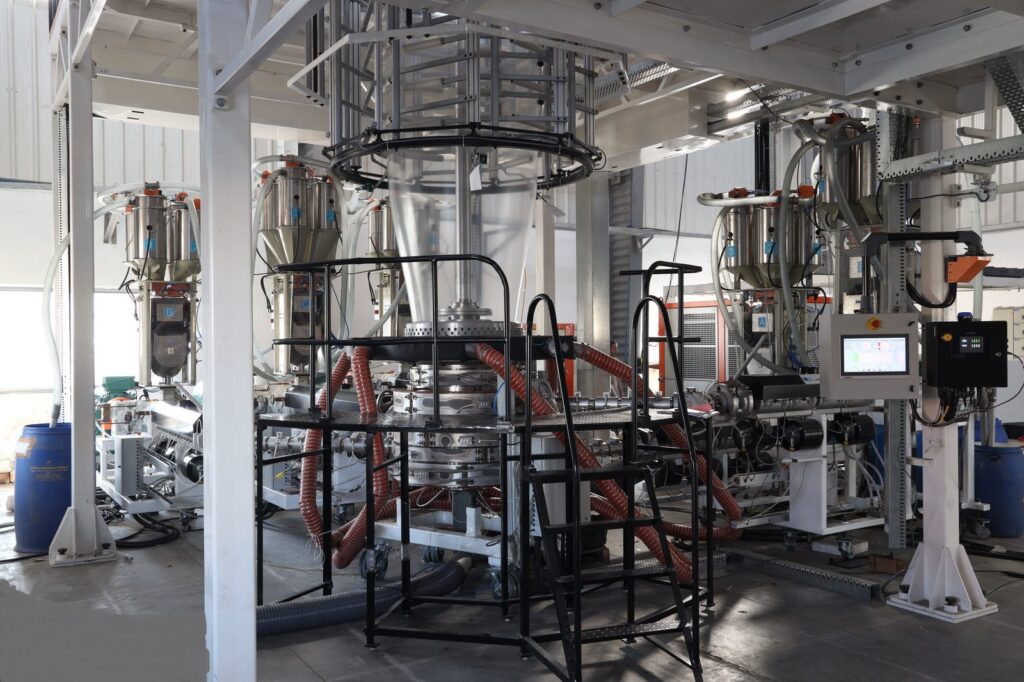
What Precision at the Die and Screw Actually Buys You Here
Whichever side of the trade-off a product lands on, the margin between a film that hits spec and one that does not usually comes down to process control, not just resin selection. Even layer distribution around the full circumference of the bubble, consistent cooling, and tight gauge control all matter more as a structure gets pushed toward either extreme, whether that is maximizing barrier in a thin EVOH layer or maximizing clarity in a mono-material PE structure. Our guide to barrier film types covers how multi-layer barrier structures are built in more depth, including the die design considerations that apply on the barrier side of this trade-off.
This is also why two films built to the same nominal structure can test differently in the lab. A die or screw design that distributes resin unevenly will show up as both inconsistent barrier performance and inconsistent clarity, even on a correctly specified structure.
Frequently Asked Questions About High Barrier and High Clarity Film
Can a Film Be Both High Barrier and High Clarity?
To a limited degree, yes, usually by using a thin, carefully controlled EVOH layer within a mono-material-leaning structure, but there is almost always some compromise on one property or the other compared to a structure optimized purely for barrier or purely for clarity.
Why Does EVOH Reduce Film Clarity?
EVOH can introduce haze or a visible tint, particularly in thicker layers or when layer distribution is uneven during coextrusion, since its crystalline structure scatters light differently than the polyethylene layers around it.
Is Metallized Film the Same as High Barrier Film?
Metallized film is one route to very high barrier performance, but it is not interchangeable with transparent high barrier film. Metallization blocks light almost entirely, making the product inside invisible, while a transparent EVOH or nylon-based barrier film keeps the product visible.
Does Recyclable Mono-Material Film Have to Sacrifice Barrier Performance?
It does not have to, but it requires more precise extrusion process control than a traditional multi-layer structure, since the barrier performance has to come from a single polymer family rather than purpose-built barrier layers.
The Takeaway
High barrier film and high clarity film are not competing marketing claims, they are a real materials trade-off rooted in how different resins and layer structures behave during extrusion. The right choice is not about picking the strongest claim on a spec sheet, it is about matching the structure to what the product actually needs to survive and what the consumer actually needs to see.
For related reading, see our guide to barrier film types for how multi-layer barrier structures are engineered, and our guide to RecTech mono-material recyclable film for how die and screw precision is solving the recyclability side of this same trade-off.