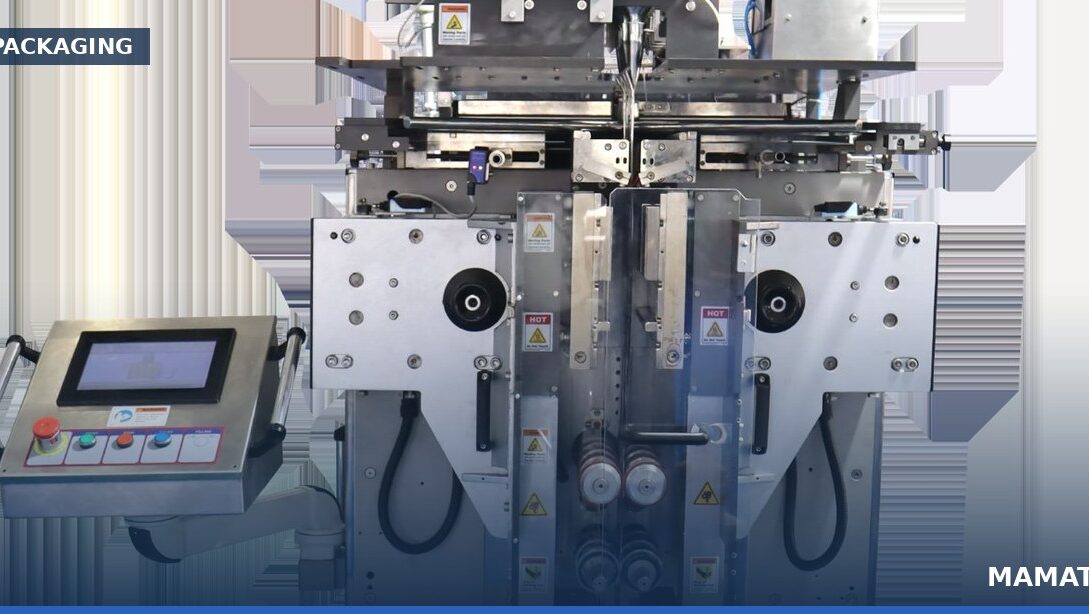
What Is a Multi Lane Sachet Machine and How Does It Work?
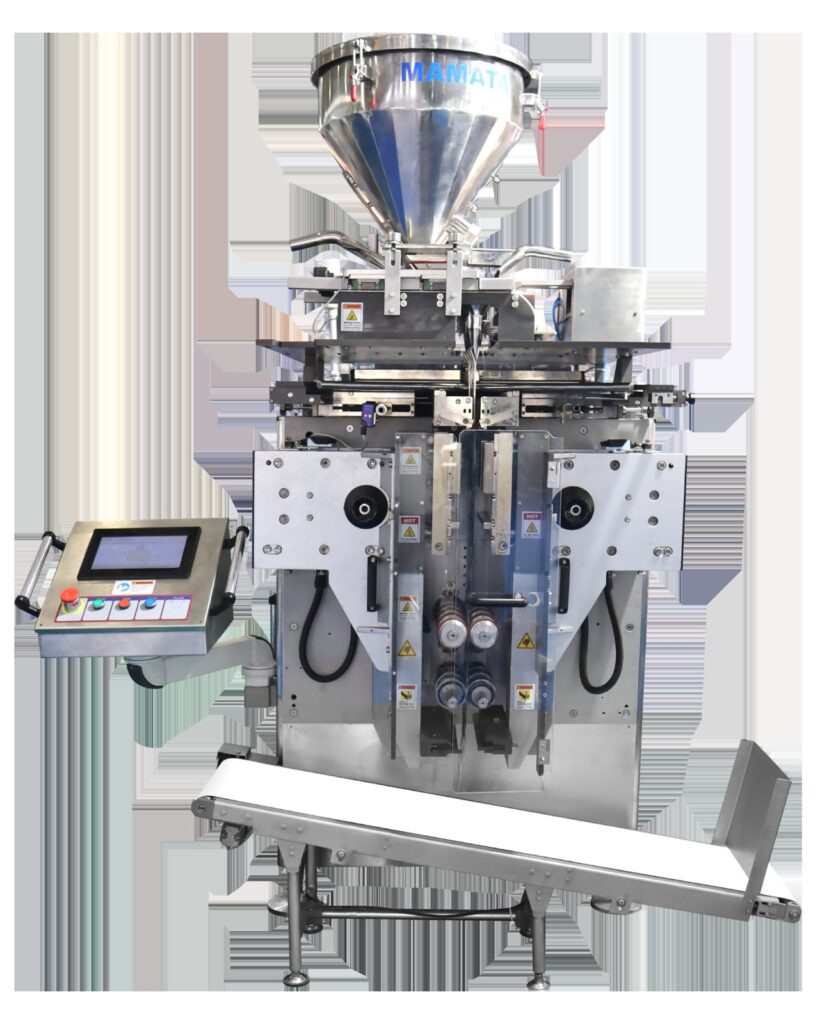
One Machine, Many Sachets, at the Same Time
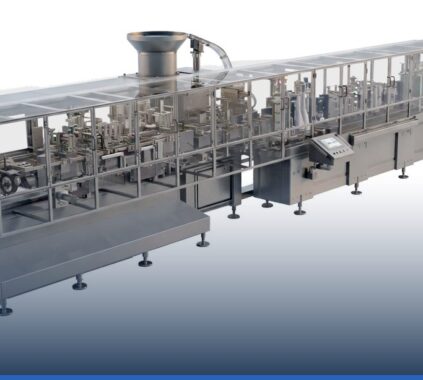
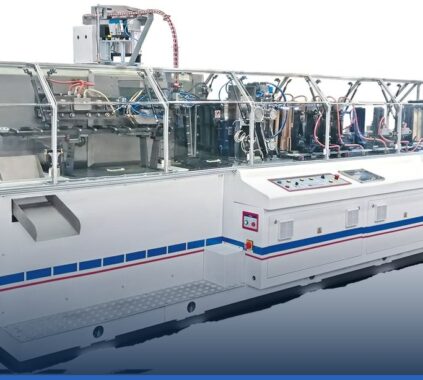
A single-lane sachet machine makes one sachet at a time, forming, filling, and sealing in a single repeating cycle. A multi lane sachet machine does the same job several times over in parallel, running multiple identical lanes side by side across the same machine frame, each forming and filling its own sachet simultaneously. For products sold in small, single-serve formats, ketchup packets, shampoo sachets, instant coffee sticks, seasoning sachets, this parallel approach is often the only way to hit the volume these categories demand without running multiple separate machines.
How a Multi Lane Sachet Machine Actually Works
The core forming and sealing principle is the same as a single-lane machine, film is drawn from a roll, formed into a tube or pocket shape, filled with product through a dosing system, and sealed, typically with a combination of vertical and horizontal heat seals. The difference is that this entire sequence happens across multiple parallel lanes on the same film web, with multiple filling heads dosing product into each lane at the same point in the cycle, and multiple sets of sealing jaws closing each sachet simultaneously.
Because every lane shares the same film web, forming frame, and machine cycle, the real engineering challenge is keeping every lane performing identically. A dosing inconsistency or seal temperature variation in just one lane out of many still produces defective sachets at that specific lane’s full production rate.
Why Lane Count and Filling System Have to Match the Product
- Powder products: Typically use auger or volumetric cup fillers, well suited to free-flowing powders like instant beverage mixes or seasoning blends.
- Liquids and gels: Generally need piston or pump-based filling systems, since powder-handling fillers cannot accurately dose a liquid or viscous product.
- Granules and small particulates: Often require a different valve and chute design than fine powders, to avoid inconsistent flow or clogging at the filling head.
- Lane count: More lanes mean higher throughput, but also mean more individual filling and sealing mechanisms that all have to be calibrated and maintained consistently, so very high lane counts make sense mainly where volume genuinely justifies the added mechanical complexity.
Where Multi Lane Sachet Machines Actually Make Sense
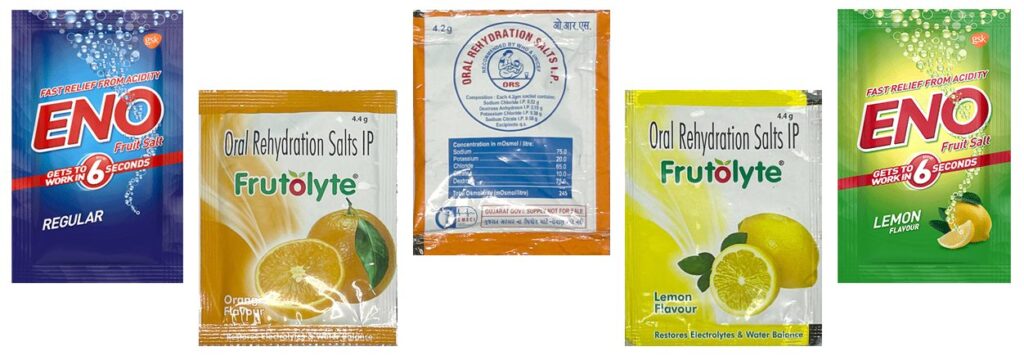
These machines earn their complexity specifically where single-serve or small-format volume is extremely high. A condiment brand producing millions of ketchup or sauce sachets, a personal care brand producing travel-size shampoo and lotion sachets, or a food brand producing single-serve seasoning or instant beverage packets, all typically generate the per-SKU volume that justifies running multiple lanes in parallel rather than scaling output through multiple separate single-lane machines.
For lower-volume or highly variable small-format production, a single-lane or dual-lane machine can sometimes offer more practical flexibility, since fewer lanes are simpler to changeover between products and require less simultaneous calibration.
What to Check Before Specifying a Multi Lane Sachet Line
A few practical questions help separate a genuinely reliable multi lane line from one that looks productive on paper but struggles in daily operation. Can each lane’s fill weight be independently monitored and adjusted, or does the system only report an averaged fill weight across all lanes, which can mask a single underperforming lane. How quickly can the line changeover between sachet sizes or films, since a high-lane-count machine with slow changeover loses much of its throughput advantage on a production floor running multiple SKUs. Is there in-line seal inspection across every lane, not just a sample lane, since seal defects do not necessarily occur uniformly across all lanes at once.
How This Fits Into the Broader Packaging Line
A multi lane sachet machine is one format-specific answer to the same throughput and flexibility questions that come up across flexible packaging equipment generally, whether that is comparing pre-made pouch filling against form-fill-seal, or weighing how many SKUs one line can realistically run. See our guide to pick fill seal vs VFFS for how that same throughput-versus-flexibility trade-off plays out in pouch packaging more broadly, and our guide to smart, connected packaging machines for how remote diagnostics apply just as directly to a multi-lane line’s many simultaneous moving parts.
Frequently Asked Questions About Multi Lane Sachet Machines
How Many Lanes Can a Sachet Machine Have?
Lane counts vary widely by manufacturer and model, commonly ranging from two to twelve or more lanes, with higher lane counts generally reserved for very high-volume single-serve production.
What Products Are Typically Packaged in Multi Lane Sachet Machines?
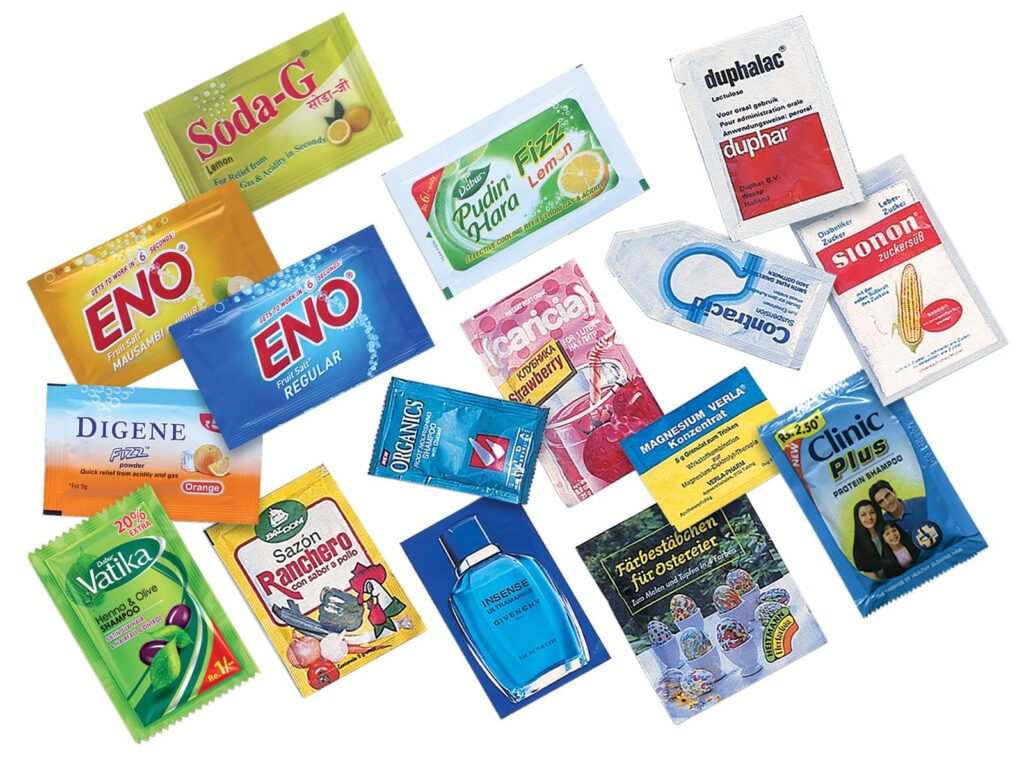
Common applications include condiments and sauces, personal care single-use sachets like shampoo or lotion, instant beverage and seasoning packets, and pharmaceutical or nutraceutical single-dose sachets.
Is a Multi Lane Sachet Machine Harder to Maintain Than a Single-Lane Machine?
Generally yes, since there are more individual filling and sealing mechanisms to calibrate and maintain, though the throughput gained from running multiple lanes in parallel usually justifies this added complexity at high production volumes.
Can Fill Weight Be Monitored Separately for Each Lane?
On well-designed multi lane machines, yes, independent per-lane fill weight monitoring is an important feature to look for, since it allows a single underperforming lane to be identified and corrected without taking the entire machine offline.
The Takeaway
A multi lane sachet machine solves a specific problem, producing very high volumes of single-serve packaging without running multiple separate machines, by replicating the forming, filling, and sealing process across parallel lanes on one frame. The right lane count and filling system depend entirely on the actual product and volume involved, not on assuming more lanes is automatically the better choice.
For related reading, see our guide to pick fill seal vs VFFS for a related throughput comparison in pouch packaging, and our guide to smart, connected packaging machines for how remote diagnostics help manage multi-station equipment like this.