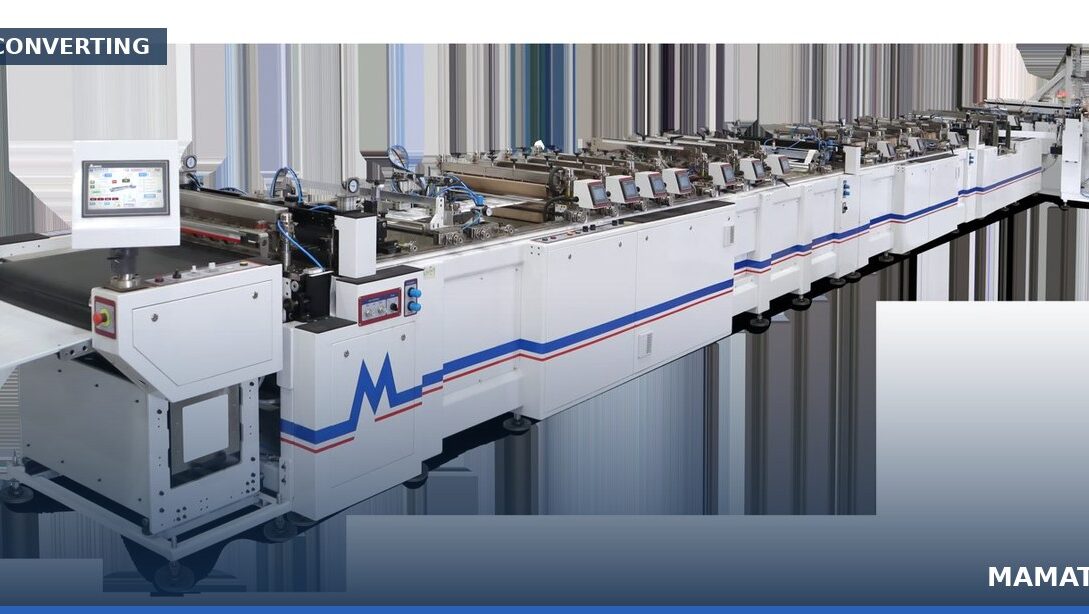
How to Choose the Right Bag Making Machine for Your Product
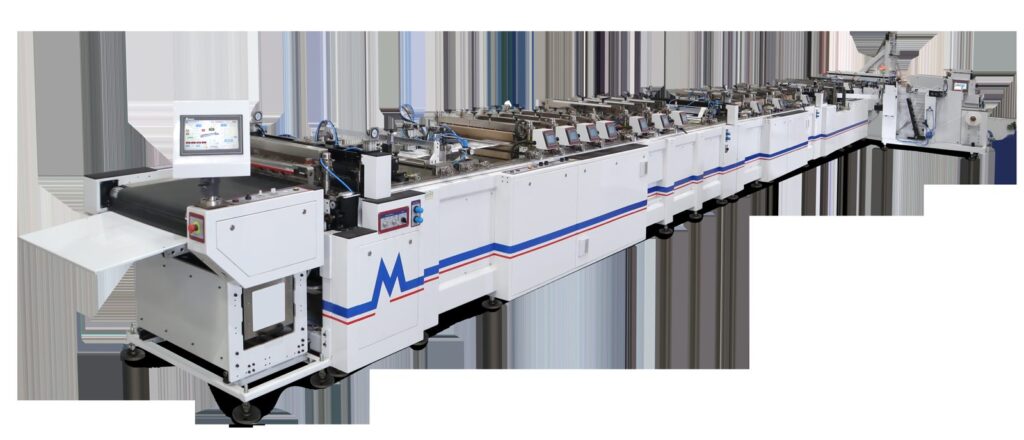
The Wrong Bag Making Machine Usually Looks Fine in a Demo
Most bag making machines look similar enough in a product demo: film feeds in, bags come out, the cycle repeats. The differences that actually matter, seal type, bag style flexibility, speed at your real product mix, only show up once a line is running your actual film, your actual bag format, and your actual volume, not a generic demonstration sample. Choosing the wrong machine rarely means it cannot make bags at all, it means it makes the wrong bags, too slowly, or with reliability problems that only surface weeks into production.
Start With the Bag Style, Not the Machine Spec Sheet
The bag format a product actually needs should drive the machine choice, not the other way around.
- Side-sealed bags: Common for retail snack and general merchandise bags, sealed along both vertical sides, generally simpler and faster to produce at high volume.
- Bottom-sealed bags: Sealed across the bottom with open sides or a gusset, often used where a flat-bottom standing profile matters for retail shelf presence.
- Gusseted bags: Side or bottom gussets that expand the bag’s capacity without proportionally increasing its footprint, common for pet food, produce, and bulkier dry goods.
- Stand-up pouches: Require a bottom-sealing mechanism engineered specifically to create a stable standing base, a meaningfully different mechanical requirement than a flat bag.
A machine built primarily for simple side-sealed bags will generally not produce a reliable stand-up pouch without significant modification, and the reverse is often true as well, since the sealing geometry is fundamentally different.
Match the Sealing System to the Film, Not Just the Bag Shape
The film structure feeding the machine matters as much as the bag shape. A thin, simple polyethylene film seals differently than a laminated, multi-layer structure with a different inner seal layer, and a machine’s heat-seal system, temperature control, dwell time, and seal bar design, needs to be matched to the actual film being run. A machine optimized for thin monolayer film can struggle with thicker laminated structures, producing inconsistent seals that pass visual inspection but fail under real-world handling.
This is particularly relevant for brands shifting toward recyclable, mono-material film structures, since these films can seal differently than the multi-material laminates a line may have been originally specified for.
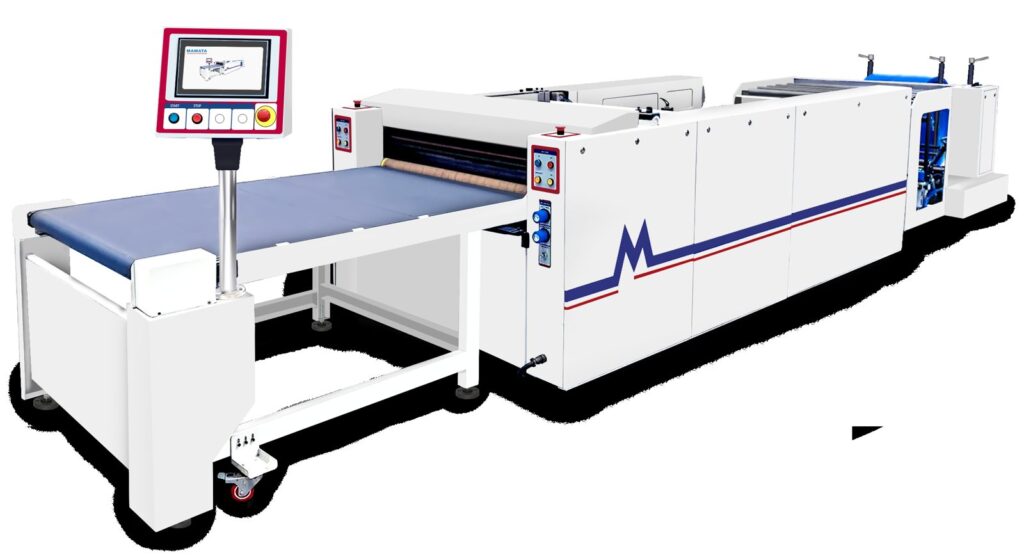
Changeover Speed Matters More Than Most Buyers Initially Think
A bag making machine’s rated top speed only tells part of the story. For converters running multiple bag sizes or formats for different customers, actual changeover time between jobs often has a bigger impact on real production output than peak running speed. A machine that runs fast but takes two hours to switch between bag widths loses much of that speed advantage on a production floor handling frequent small or mid-sized orders.
This is worth weighing honestly against your actual order pattern. A converter running long, single-format production batches benefits less from fast changeover than one juggling many SKUs, so the right machine depends on your real order mix, not a generic speed comparison.
What to Actually Ask Before Specifying a Bag Making Machine
A few practical questions separate a machine genuinely suited to your product from one that merely can technically produce it. Has the machine been demonstrated running your actual film structure, not just a generic sample film. What is the realistic changeover time between your most common bag formats, not the best-case figure from a spec sheet. Does the sealing system have in-line inspection or testing, or does seal quality rely entirely on operator spot checks. Can the machine’s bag style range actually cover your current product line and any formats you’re likely to add in the next few years, since retooling for a format a machine cannot handle is a significant added cost later.
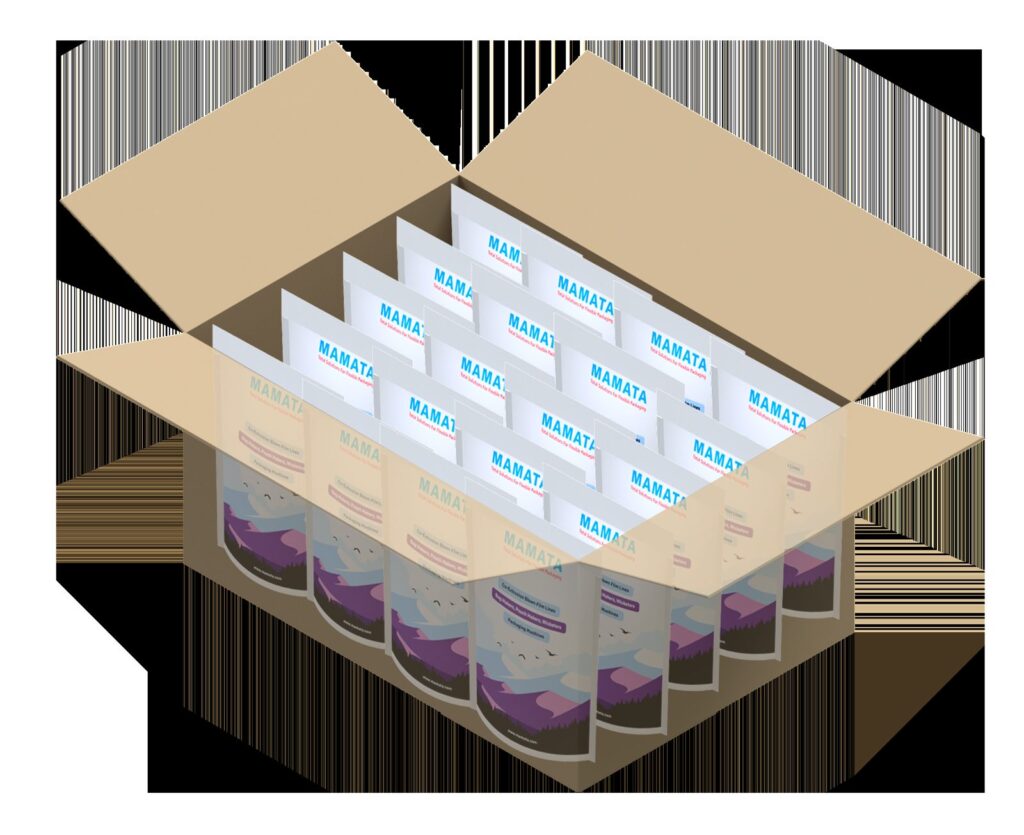
Why This Decision Connects Directly to Your Packaging Line
A bag making machine does not operate in isolation. The bags it produces still have to perform correctly on whatever filling or packaging equipment comes next, whether that is a pick fill seal line for pre-made pouches or a sachet line for smaller single-serve formats. A bag that seals correctly off the converting line but is dimensionally inconsistent can still cause jams or fill-accuracy problems downstream. See our guide to tamper evident bag manufacturing for how an added security feature changes the converting requirements further, and our guide to servo-driven pouch making for how modern drive systems are changing changeover speed and format flexibility on converting lines generally.
Frequently Asked Questions About Bag Making Machines
What Is the Difference Between a Side-Seal and Bottom-Seal Bag Machine?
A side-seal machine seals along the vertical edges of the bag, commonly used for simple retail bags, while a bottom-seal machine seals across the base, often used where a flatter bottom profile or specific bag geometry, such as a stand-up pouch, is required.
Can One Machine Make Multiple Bag Styles?
Some machines are built with modular tooling that allows switching between a limited range of related bag styles, but a machine optimized for one bag geometry, such as simple flat bags, typically cannot efficiently produce a fundamentally different format like a stand-up pouch without significant retrofitting.
How Important Is Changeover Time When Choosing a Bag Making Machine?
It depends heavily on your order pattern. For converters running many small or mid-sized orders across different bag formats, changeover time can matter more to real daily output than the machine’s peak rated speed.
Does Film Type Affect Which Bag Making Machine I Should Choose?
Yes. A machine’s sealing system needs to match the actual film structure being run, since thin monolayer film and thicker laminated or mono-material recyclable structures can seal very differently under the same settings.
The Takeaway
Choosing a bag making machine is really a matter of matching three things correctly: the bag style your product needs, the film structure you’re actually running, and the changeover pattern your real order volume demands. A machine that looks capable in a demo can still be the wrong choice if any one of those three does not genuinely fit your production reality.
For related reading, see our guide to tamper evident bag manufacturing for how security features change converting requirements, and our guide to servo-driven pouch making for how drive technology is changing changeover speed on modern lines.