Barrier Films 101: EVOH, Tie Layers and When You Need Them
Two Materials Most Buyers Have Heard of but Few Actually Understand
EVOH and tie layers come up constantly in barrier film conversations, usually mentioned together, rarely explained clearly. EVOH gets credit as the material that delivers oxygen barrier, and tie layers get treated as a minor technical footnote. In practice, neither one works without the other, and understanding exactly what each is doing, and when a structure genuinely needs them, makes it much easier to specify a film correctly instead of asking for EVOH because a competitor’s packaging mentions it.
What EVOH Actually Is and What It Does
EVOH, ethylene vinyl alcohol copolymer, is prized in flexible packaging for one specific property: it is an outstanding barrier against oxygen transmission, far better than polyethylene or polypropylene on their own. This matters directly for any product that degrades on contact with oxygen, coffee losing aroma, cured meat oxidizing, snack oils turning rancid.
EVOH has a real weakness, though. Its oxygen barrier performance drops sharply when it absorbs moisture, which is exactly why EVOH is almost never used as an exposed layer. It has to be protected on both sides by moisture-resistant layers, typically polyethylene, to keep it performing at the barrier level a product actually needs.
Why EVOH Cannot Just Be Fused to Polyethylene
This is where tie layers become necessary rather than optional. EVOH and polyethylene are chemically dissimilar polymers, and dissimilar polymers generally do not bond well to each other during coextrusion. Without something bridging them, the layers can delaminate, separating under stress, handling, or even normal flexing, which destroys both the barrier performance and the structural integrity of the film.
A tie layer is a thin adhesive resin, often a modified polyolefin, engineered specifically to bond to both the EVOH side and the polyethylene side of the structure. It does not contribute barrier or strength on its own, its entire job is making sure the layers around it actually stay together.
What a Typical EVOH Structure Actually Looks Like
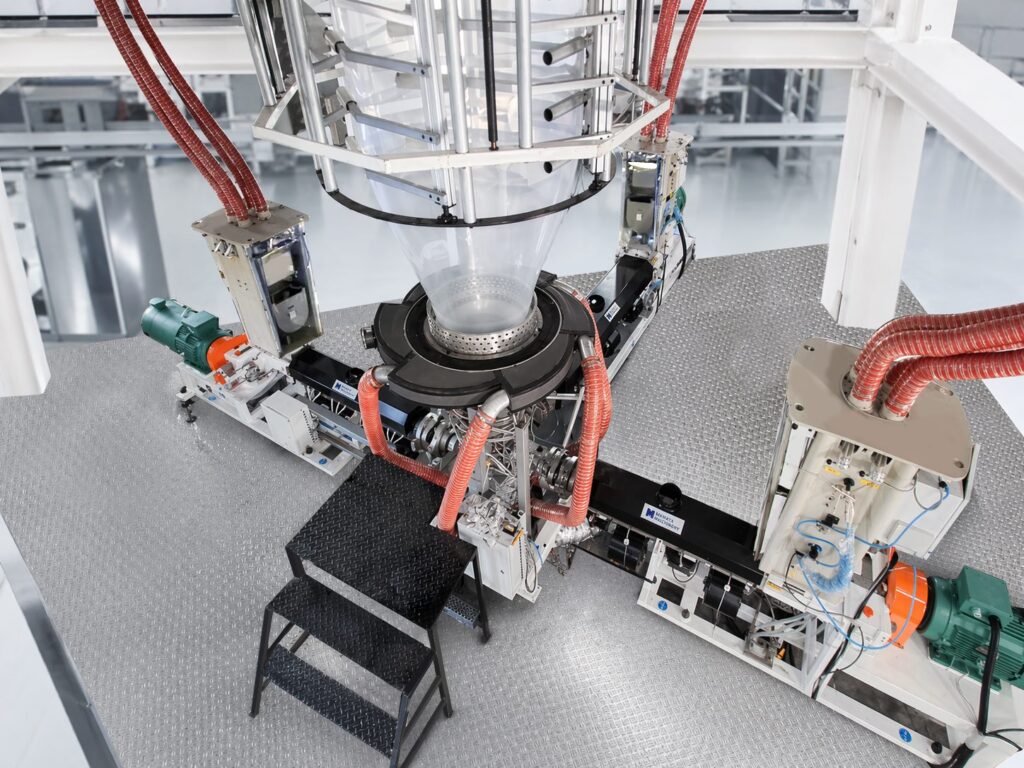
- Outer layer (PE or PP): Provides print surface, stiffness, and the first line of moisture protection for the EVOH layer underneath.
- Tie layer: Bonds the outer structural layer to the EVOH barrier layer.
- EVOH layer: The core oxygen barrier, kept as thin as possible since EVOH is more expensive than the structural resins around it, but thick enough to hit the required oxygen transmission rate.
- Tie layer: Bonds the EVOH layer to the inner structural/seal layer on the other side.
- Inner seal layer (PE): Provides both moisture protection for the EVOH and reliable heat-seal performance on the packaging line.
This is why a genuine EVOH barrier structure is rarely fewer than five layers. The barrier layer alone does not make a usable film, it needs the tie layers and the protective structural layers around it to actually function and hold together.
When a Product Actually Needs EVOH, and When It Does Not
EVOH earns its cost premium specifically for products where oxygen exposure directly and noticeably shortens shelf life or degrades quality: coffee, cured and processed meats, cheese, certain snack products with oils prone to rancidity, and some pharmaceutical-adjacent applications. For products where moisture is the dominant threat rather than oxygen, dry powders, certain baked goods, a simple polyethylene or polypropylene structure often performs adequately without the added complexity and cost of an EVOH layer.
A useful gut check before specifying EVOH: ask what actually ends the product’s useful shelf life first in real storage conditions. If the honest answer is moisture, staling, or physical damage rather than oxidation, EVOH is likely solving a problem the product does not actually have.
What This Means for the Extrusion Line Running It
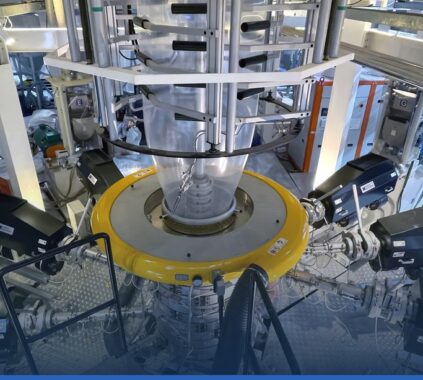
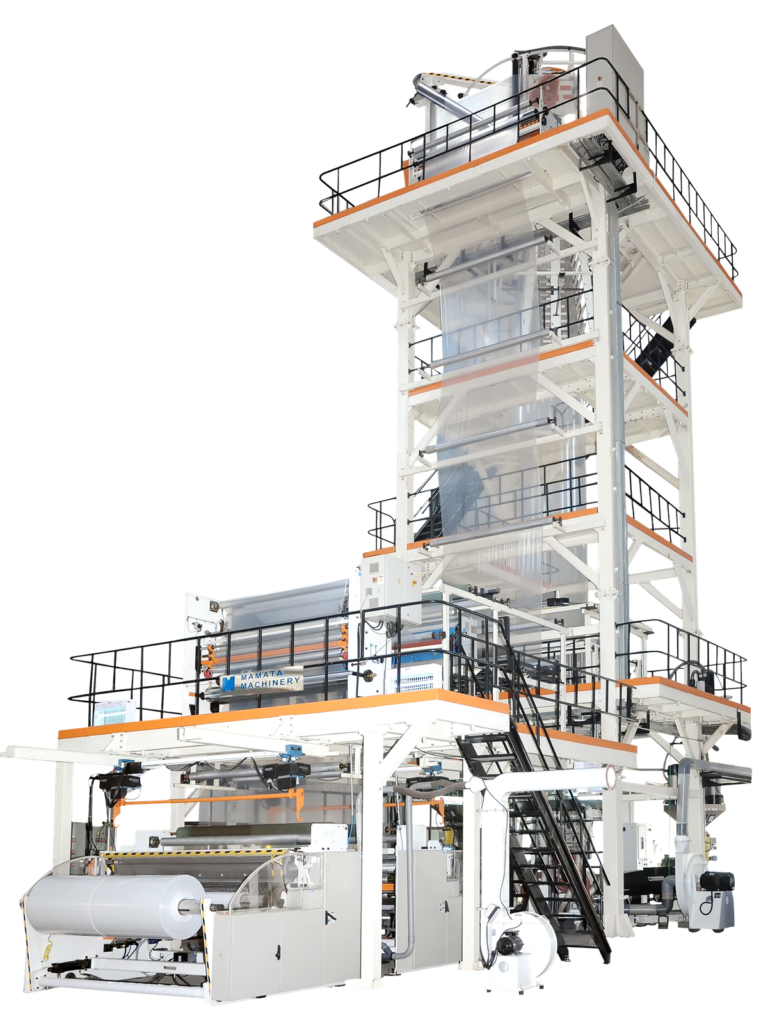
Running an EVOH structure well requires more than just loading the right resins. Even distribution of the thin EVOH layer around the full bubble circumference, correct tie layer ratios, and precise cooling all matter more here than on a simple structural film, since any inconsistency shows up directly as patchy barrier performance within a single roll. This same precision is central to the broader multilayer film conversation. See our guide to multilayer blown film structures for how layer count and die design interact more generally, and our guide to barrier film types for how EVOH compares to other barrier approaches like metallization and PVDC.
Frequently Asked Questions About EVOH and Tie Layers
Can EVOH Be Used Without Tie Layers?
In practice, no. EVOH does not bond reliably to the polyethylene or polypropylene layers typically used around it, so tie layers are required to prevent delamination and keep the structure intact.
Why Does EVOH Need to Be Protected From Moisture?
EVOH’s oxygen barrier performance drops significantly when it absorbs moisture, which is why it is always placed as an internal layer, protected on both sides by moisture-resistant structural layers rather than exposed to the environment directly.
Is EVOH More Expensive Than Other Barrier Materials?
Generally yes, compared to simpler structural resins, though it is often more cost-effective than foil or certain metallized structures for applications that still need the film to remain somewhat flexible and printable.
How Thin Can an EVOH Layer Be and Still Work?
It depends on the required oxygen transmission rate for the product, but EVOH layers are typically kept as thin as the barrier target allows, since the material cost is a meaningful driver of total film cost at higher thicknesses.
The Takeaway
EVOH delivers real oxygen barrier performance, but it is not a standalone solution. It needs tie layers to stay bonded to the structure around it and protective layers to keep moisture from degrading its performance. Specifying EVOH makes sense when oxidation is genuinely the product’s primary threat, not simply because a barrier film sounds premium.
For related reading, see our guide to multilayer blown film structures for how layer count shapes a barrier structure, and our guide to high barrier vs high clarity film for how EVOH’s barrier strength trades off against film transparency.