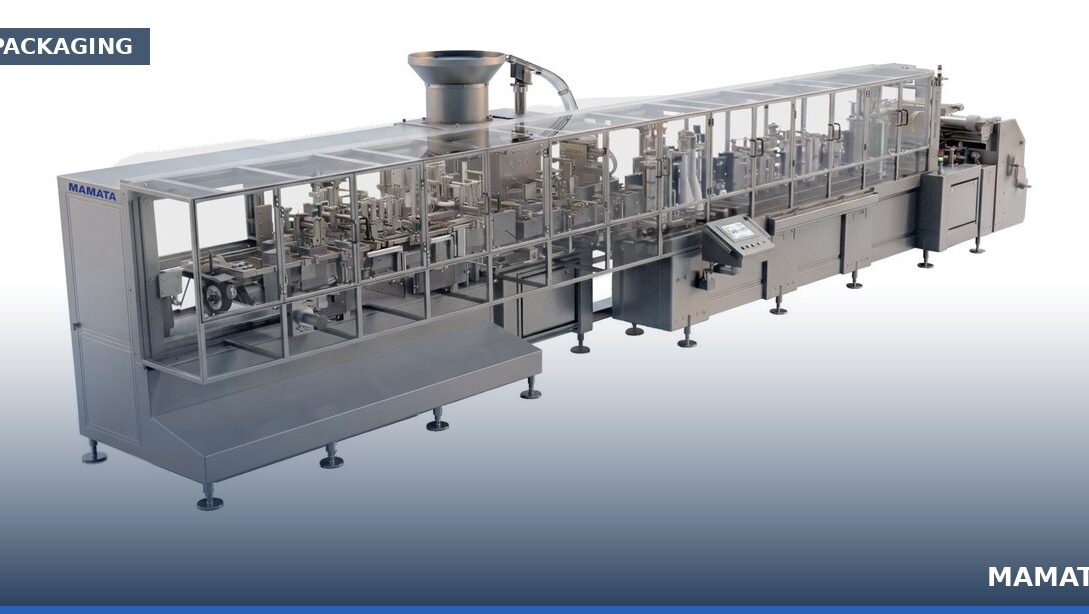
Spout Pouch Filling Machine: How Liquid and Semi-Liquid Pouches Are Actually Filled and Capped
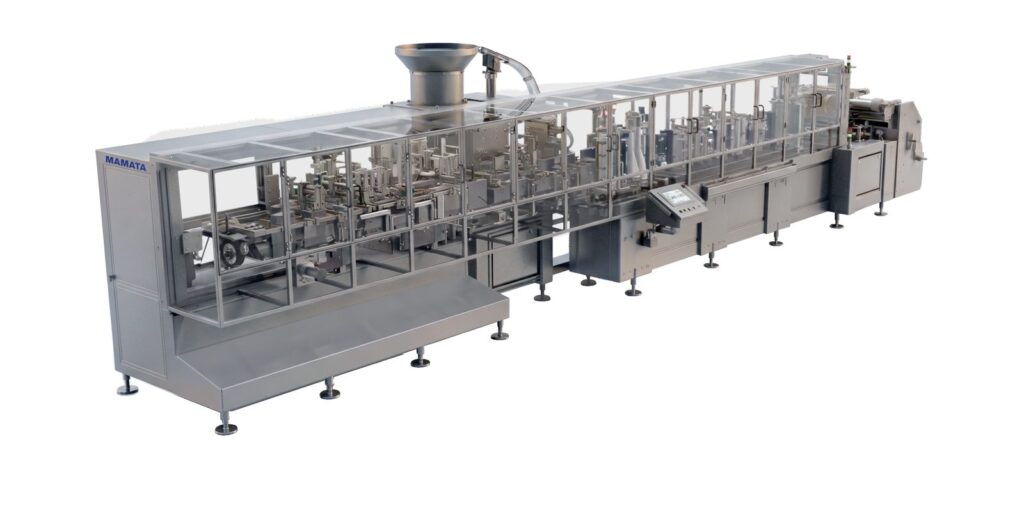
Filling a Spout Pouch Is Not the Same Problem as Filling a Bottle
A rigid bottle holds its shape on its own, so a filling line mostly has to worry about dosing accuracy and nozzle placement. A spout pouch does neither of those things for free. It is a flexible, unsupported package that has to be held open, filled accurately without splashing or foaming into the seal area, and capped securely, all while the pouch itself has no rigid structure helping the process along. That difference is why spout pouch filling machines are built so differently from bottle fillers, even though the end goal, getting a measured amount of product sealed into a package, sounds the same.
For brands moving from rigid packaging to spout pouches, or evaluating filling equipment for a new liquid product, understanding what the filling machine actually has to manage makes it much easier to specify the right line instead of assuming a bottle-filling mindset will translate directly.
What a Spout Pouch Filling Machine Actually Does, Step by Step
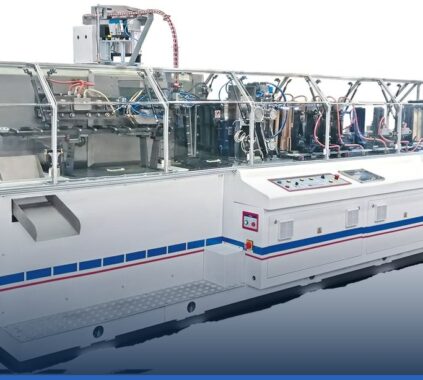
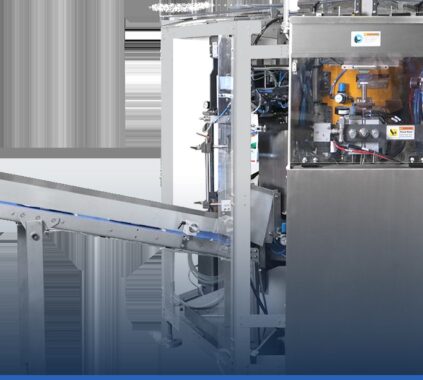
Most spout pouch filling lines follow a consistent sequence, even though the specific mechanics vary by manufacturer. Pre-made spouted pouches are loaded and the pouch is opened and held in position, typically with gripper jaws that stabilize the flexible film during filling. Product is dosed through the open spout, using volumetric, gravimetric, or piston filling depending on the product’s viscosity and the accuracy required. The spout is then capped, usually in the same machine cycle or an adjacent station, and the capped pouch is checked for fill level and cap integrity before moving on to secondary packaging.
Each of those steps has its own failure risk that a well-designed machine has to account for, from product splashing onto the spout’s sealing surface during filling (which can cause capping leaks) to inconsistent gripper pressure that lets the pouch move out of position mid-cycle.
Why Filling Technology Changes Based on the Product
- Thin liquids: Juices, water-based sauces, and similar products are usually filled volumetrically, by flow meter or timed valve, where speed matters more than extreme accuracy on a per-unit basis.
- Viscous or semi-liquid products: Purees, thick sauces, and pastes often need piston or gear-pump filling, which can handle higher viscosity and maintain accuracy without the foaming that a simple gravity or flow-meter fill can introduce.
- Products with particulates: Items like salsa or chunky sauces need filling valves sized and shaped to avoid clogging or crushing the particulate, which rules out some of the finer-tolerance filling systems used for smooth liquids.
- High-value or precisely dosed products: Supplements, infant nutrition, and some pharmaceutical-adjacent products often require gravimetric (weight-based) filling for the accuracy regulatory and quality requirements demand.
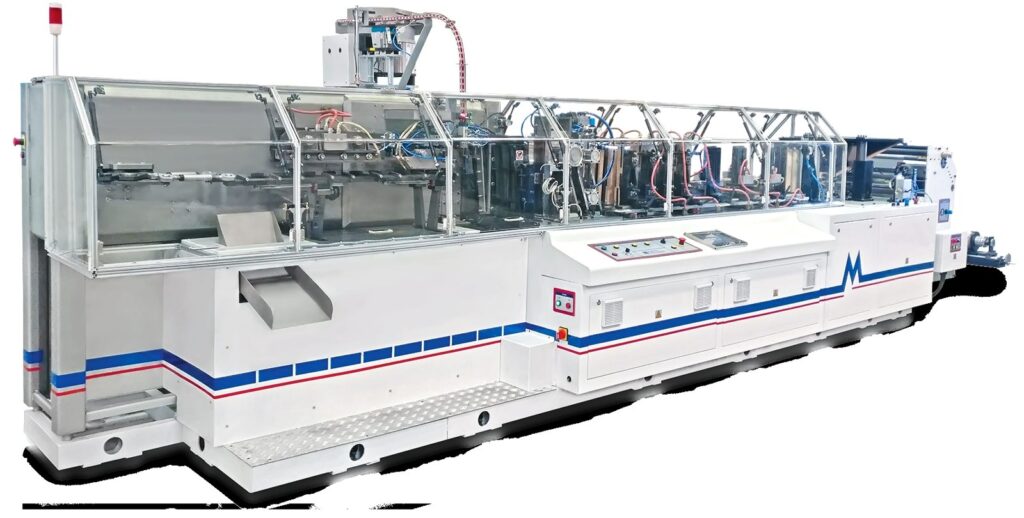
Why Capping Is Where Most Spout Pouch Problems Actually Show Up
Filling accuracy gets most of the attention in a spec conversation, but capping is where a disproportionate share of real-world complaints originate. A cap applied with inconsistent torque can leak under the pressure changes a pouch experiences in shipping, especially by air freight. Product residue left on the spout’s sealing surface during filling, even a small amount, can prevent the cap from sealing fully, which is why some lines include a spout-cleaning or air-blow step immediately before capping.
Torque consistency matters more on a flexible pouch than on a rigid bottle, since the pouch itself can flex and absorb some of the capping force rather than providing the rigid resistance a bottle does, which means capping stations built for bottles do not always translate cleanly to pouches without adjustment.
What to Check Before Specifying a Spout Pouch Filling Line
A few practical questions help separate a filling line genuinely built for spout pouches from one adapted from bottle-filling technology. Does the filling system match the actual viscosity and particulate profile of the product, not just a generic liquid category. Is there a spout-cleaning or residue-management step before capping, given how much capping failure traces back to contaminated sealing surfaces. Can the gripper and pouch-handling system hold registration at the actual required speed, since a pouch that shifts mid-fill creates both a fill-accuracy problem and a seal-contamination risk at once.
These questions matter even more for a brand launching its first pouch format, since the gap between a line that works in a trial run and one that holds up at full commercial volume often only shows up once real throughput and real product variability are introduced.
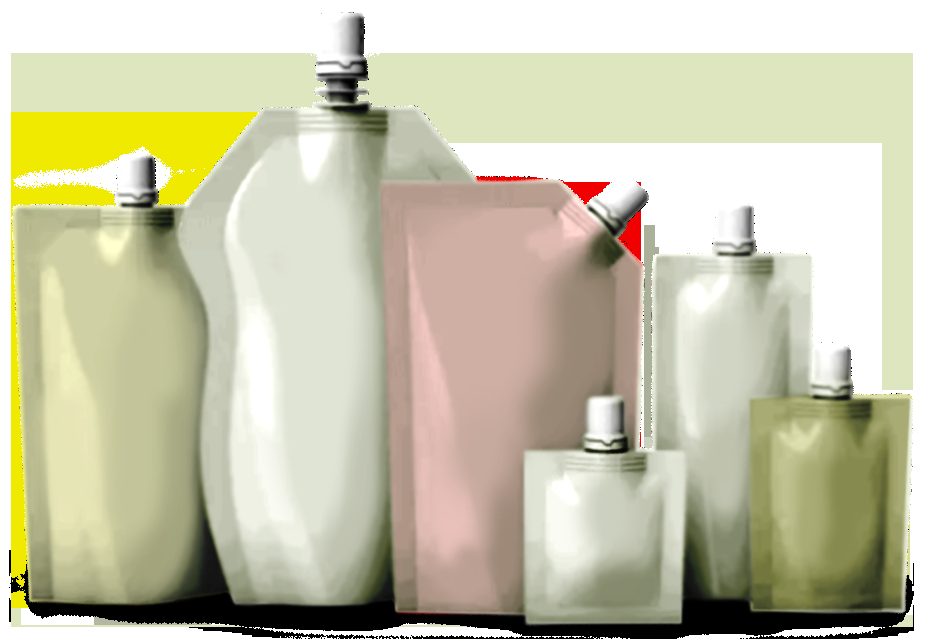
Why This Starts With How the Pouch Was Converted
A filling line can only perform as well as the pouch it is given. A spout that was misaligned or under-sealed during converting creates a capping and leak problem no filling machine can fully compensate for, no matter how precise its capping torque control is. See our guide to spout and zipper pouch converting for what actually has to go right upstream, at the converting stage, before a pouch is even ready to reach a filling line.
Frequently Asked Questions About Spout Pouch Filling Machines
What Is the Difference Between Volumetric and Gravimetric Filling?
Volumetric filling measures product by volume, using a flow meter or timed valve, and is typically faster. Gravimetric filling measures by weight, which is more accurate for viscous or irregular products but generally runs at a slower cycle speed.
Can the Same Machine Fill Both Thin Liquids and Thick Sauces?
Some machines offer interchangeable filling heads or adjustable pump systems that can handle a range of viscosities, but a line optimized purely for thin liquids usually cannot handle thick, particulate-heavy products without modification.
Why Do Spout Pouches Leak After Filling Even When the Seal Looked Fine?
This is most often caused by product residue on the spout’s sealing surface during filling, preventing a full seal at capping, or by inconsistent capping torque that leaves the cap technically closed but not fully sealed under pressure.
Is Spout Pouch Filling Slower Than Bottle Filling?
It depends on the specific equipment, but well-engineered spout pouch lines can run at comparable speeds to bottle lines for many products, since the main added complexity is pouch handling and capping precision, not the filling step itself.
The Takeaway
Filling and capping a spout pouch is a different engineering problem than filling a rigid bottle, built around handling a flexible, unsupported package without sacrificing fill accuracy or capping integrity. The products most likely to run into trouble are the ones treated like a bottle-filling retrofit rather than specified for what a spout pouch actually requires at every step, from gripping through capping.
For related reading, see our guide to spout and zipper pouch converting for how the pouch itself is built before it ever reaches a filling line, and our guide to pick fill seal machines for how pre-made pouches are filled and sealed more broadly.