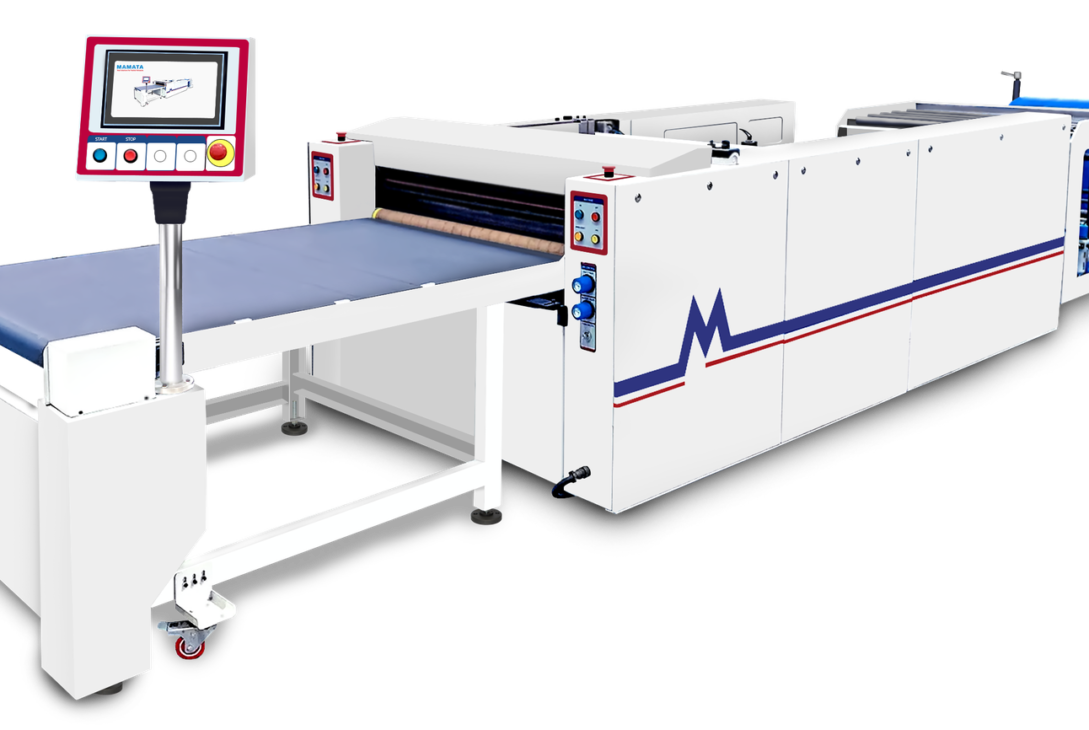
Why Servo-Driven Pouch Making Is Replacing Mechanical Drives on Converting Lines
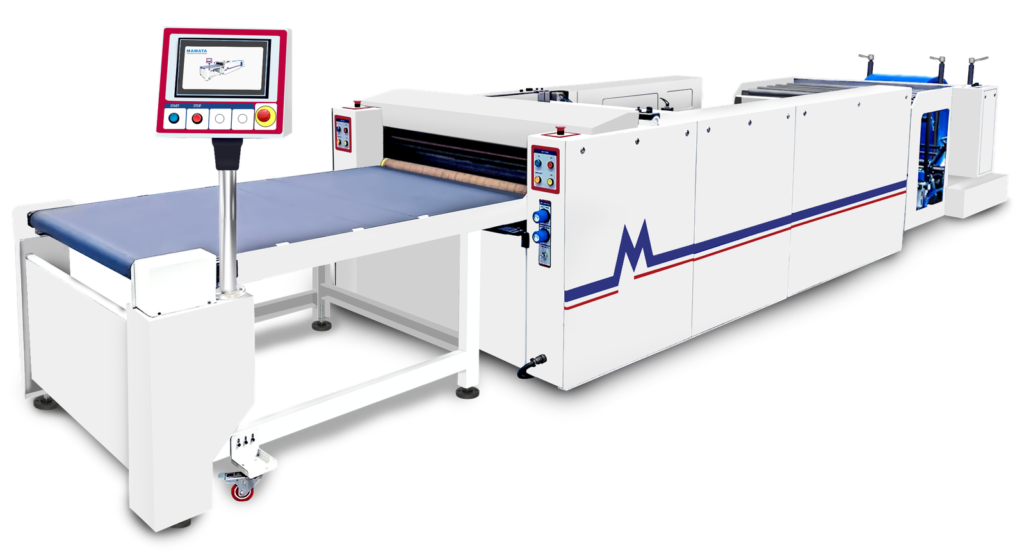
The Drive System Is Not a Back-Office Spec
When converters talk about a pouch making line, the conversation usually goes straight to speed, pouch format, or seal quality. The drive system underneath all of that, the mechanism actually moving film, cutting, and sealing in sync, tends to get mentioned last, if at all. That is changing, because the shift from mechanical, line-shaft driven converting equipment to fully servo-driven lines is turning out to be one of the biggest practical upgrades available to a converter right now.
It is not a marketing upgrade. It changes what a line can actually produce, how fast it can change over, and how much waste it generates along the way.
Mechanical Drives vs Servo Drives: What Actually Changes
A traditional mechanical converting line runs multiple stations, unwind, printing registration, cutting, sealing, off a shared line shaft, with cams and mechanical linkages setting the timing between them. Changing a pouch format or a cut length often means physically swapping cams or gears, and the mechanical linkage limits how independently each station can be adjusted.
A servo-driven line replaces that shared mechanical timing with independently controlled servo motors at each station, synchronized electronically rather than mechanically. Every station can be adjusted through software rather than hardware changeover, and the timing relationship between stations can be fine-tuned far more precisely than a cam profile ever allowed.
Where the Practical Gains Actually Show Up
- Changeover time: Switching pouch size or format on a servo line is largely a software adjustment rather than a mechanical teardown, which can cut changeover time from hours to minutes on a well-engineered line.
- Registration accuracy: Independently controlled stations can correct for small variations in film feed in real time, which matters enormously for pre-printed film where graphics have to land in exactly the right position on every single pouch.
- Waste reduction: Faster, more precise startup and changeover means less scrap film generated getting a line back into spec after a format change.
- Speed flexibility: A servo line can often run a wider range of speeds without the mechanical resonance and wear issues that limit how far a cam-driven mechanical system can be pushed.
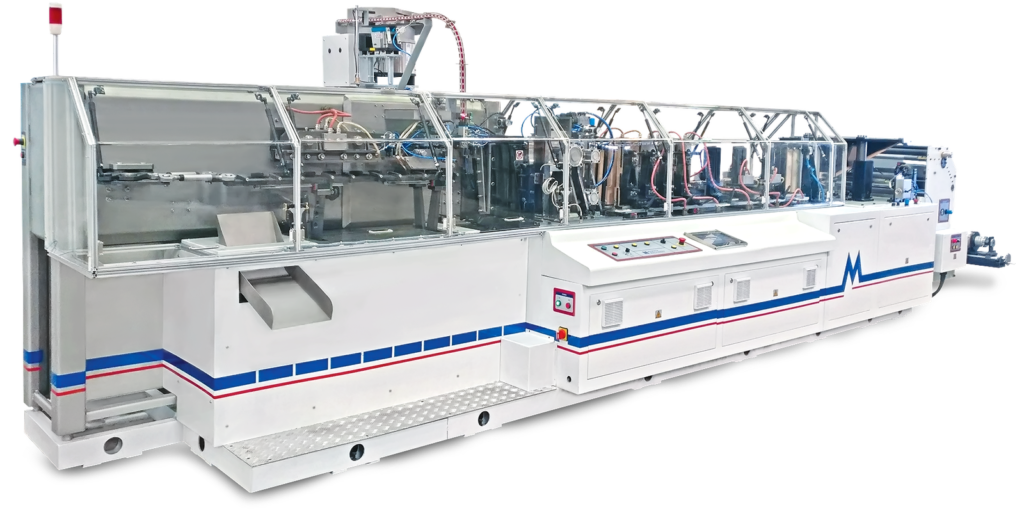
Why Registration Accuracy Matters More Than It Used To
Pre-printed, brand-critical pouch graphics have become the norm rather than the exception, especially as stand up pouches and resealable formats take over more retail shelf space from rigid packaging. A registration error that would have gone unnoticed on a plain utility bag is immediately visible on a pouch with premium pre-print graphics, a misaligned logo or a cut line running through text is an instant reject, not a minor cosmetic issue.
This is where servo control earns its cost premium. Real-time registration correction, adjusting station timing on the fly based on sensor feedback from printed registration marks, is something a mechanical line simply cannot do, since its timing is fixed by the physical cam profile rather than adjustable in real time.
What to Weigh Before Moving to a Servo-Driven Line
Servo-driven converting equipment costs more upfront than a comparable mechanical line, and that premium needs to be weighed against the actual production mix a converter runs. A line producing a small number of high-volume, long-run formats sees less benefit from fast changeover than a line juggling many SKUs and frequent format changes. Registration accuracy requirements matter too. A converter running mostly plain film sees less upside from servo precision than one running pre-printed graphics on every job.
The practical approach is to map the decision to the actual product mix rather than assuming servo is automatically the right upgrade for every line. For a converter running high-mix, pre-printed, fast-changeover production, the payback period is often short. For a converter running long, simple runs, the calculation looks different.

Frequently Asked Questions About Servo-Driven Pouch Making
What Is a Servo-Driven Pouch Making Machine?
A servo-driven pouch making machine uses independently controlled servo motors at each production station, rather than a shared mechanical line shaft, allowing each station’s timing to be adjusted electronically rather than through physical cam or gear changes.
How Much Faster Is Changeover on a Servo-Driven Line?
It varies by machine and format complexity, but changeover that takes hours on a mechanical line with cam or gear swaps often drops to a fraction of that time on a servo-driven line, since most adjustments are made through the control system rather than physical parts.
Does Servo Drive Improve Pouch Quality, Not Just Speed?
Yes. Real-time registration correction on a servo-driven line reduces print misalignment and seal positioning errors, which matters most on pre-printed, brand-critical pouch graphics where even small misalignment is immediately visible.
Is a Servo-Driven Line Worth It for Every Converter?
Not necessarily. Converters running high-mix production with frequent format changes and pre-printed film see the fastest payback. Converters running long, simple, single-format production see a smaller practical benefit relative to the cost premium.
The Takeaway
Servo-driven pouch making is not a cosmetic upgrade over mechanical converting equipment. It changes changeover time, registration accuracy, and waste in ways that compound across a production year, particularly for converters running high-mix, pre-printed pouch formats. The right question is not whether servo is better in the abstract, but whether a specific production mix is one where that precision actually pays for itself.
For related reading, see our guide to tamper evident packaging for how converting precision also drives security feature reliability, and our guide to RecTech mono-material film for how equipment precision is changing extrusion in much the same way.