
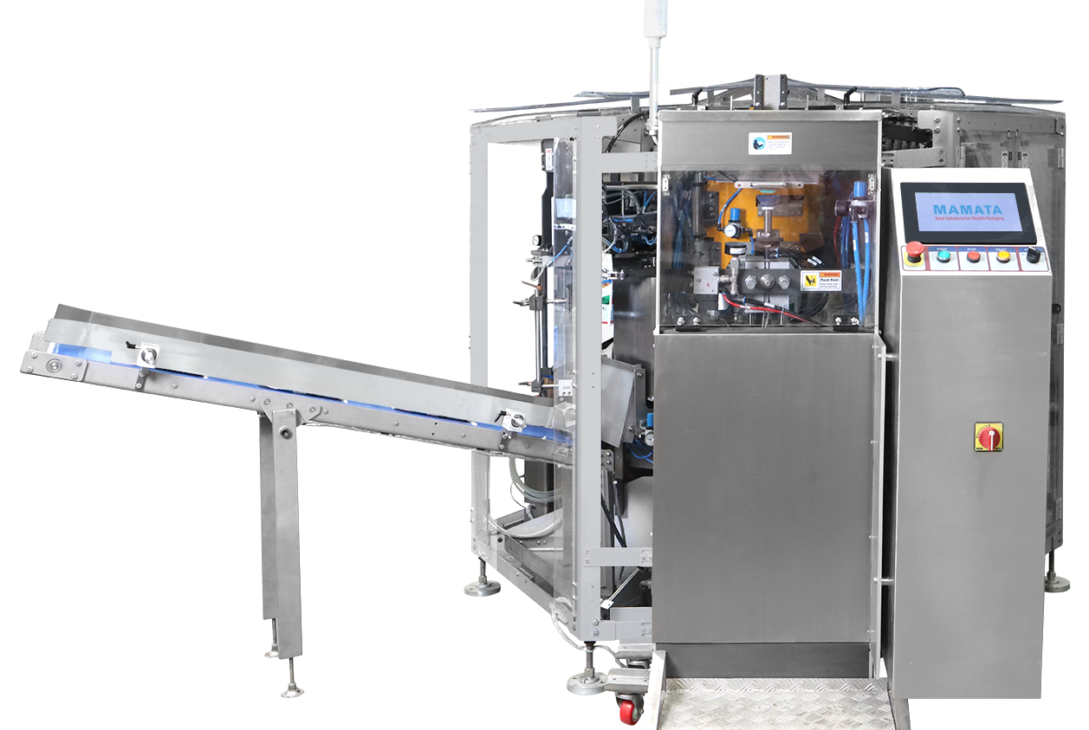
Pick Fill Seal Machine Guide: How a PFS Pouch Packing Machine Actually Works, Step by Step
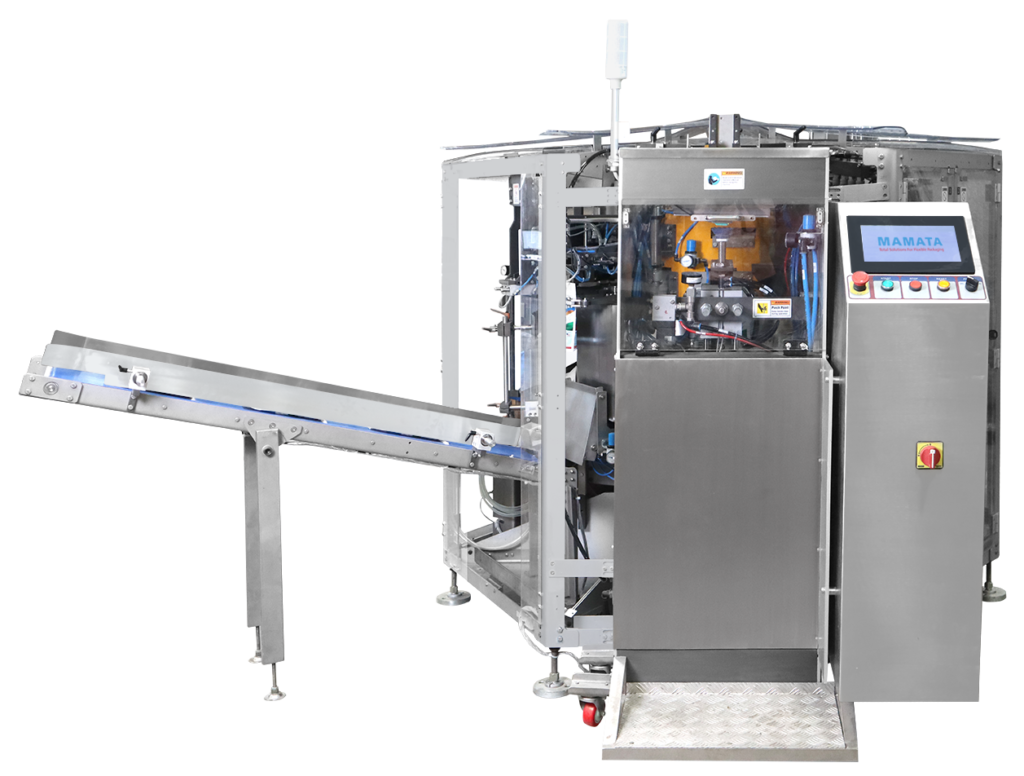
The Pouch Already Exists, and the Machine Has to Handle It Perfectly
Not every pouch on a packaging line is formed there. In a pick fill seal machine, the pouch already exists. It is pre-made, pre-printed, and often pre-zippered, and the machine’s entire job is to pick it up, open it, fill it, and seal it without damaging it or slowing down. That sounds simple. In practice, it is a tightly choreographed sequence where a fraction-of-a-second misstep anywhere in the cycle shows up as a crooked seal, a spilled fill, or a jammed line.
How a Pick Fill Seal Machine Works: the Cycle, Step by Step
- Pick: A gripper or vacuum system lifts a single pouch from a stack or magazine, without pulling two at once (a surprisingly common failure point with static-prone or textured films) and without creasing or damaging the pouch.
- Open: The pouch is mechanically opened at the mouth, often assisted by air jets, so the fill head has a clear, consistent opening to work with regardless of minor variation in how the pouch was picked up.
- Fill: Product, whether powder, liquid, granules, or solid pieces, is metered and dropped or pumped in. Accuracy here depends on the filling technology matched to the product, not a one-size-fits-all approach.
- Seal: The pouch mouth is sealed, typically with heat and pressure, calibrated to the specific film structure so the seal is strong without scorching or weakening the material.
Every one of those steps happens on a moving, often rotary, platform, dozens of times a minute, with each pouch indexed precisely into position for the next station.
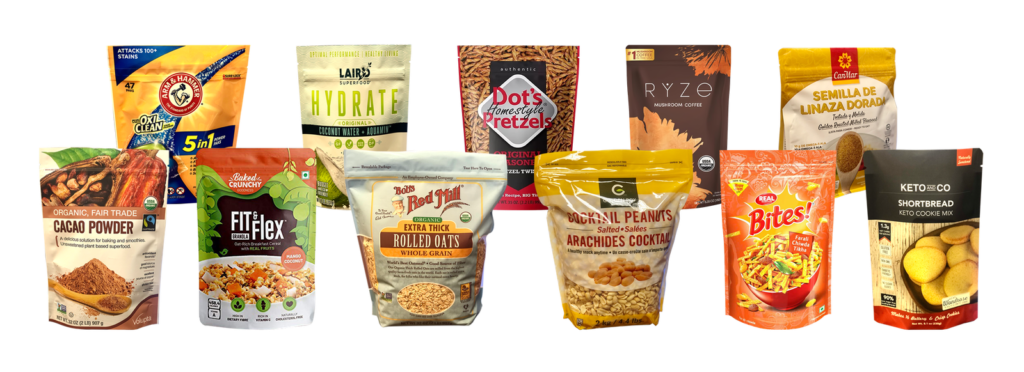
Why Pre-Made Pouches Change the Equation
Because the pouch arrives already formed, a pick fill seal machine opens up packaging formats that are difficult or impossible to form in-line: stand up pouches with gusseted bases, resealable zipper pouches, spouted pouches for liquids, and pouches with complex pre-printed graphics that need to register perfectly every time.
The tradeoff is that the machine never gets to build the pouch to its own tolerances. It has to adapt to whatever pouch it is handed, which means the pick and seal stations need enough flexibility, and smart sensing, to handle normal variation between pouches without missing a beat.
Pick Fill Seal vs Form Fill Seal: What Is the Difference
A form fill seal machine, whether vertical (VFFS) or horizontal (HFFS), forms the pouch from a flat roll of film as part of the same cycle that fills and seals it. A pick fill seal machine skips that step entirely and works with a pouch that someone else already formed, printed, and finished.
The practical difference shows up in what each is good at. Form fill seal tends to win on raw speed and lower film cost for simple pouch shapes. Pick fill seal tends to win on pouch complexity, since stand up pouches, zippers, spouts, and premium pre-print graphics are far easier to achieve on a pouch made with dedicated pouch-making equipment than one formed in-line on a filling machine. For a broader look at flexible packaging equipment categories, PMMI’s packaging and processing glossary is a useful industry reference.
Where Pick Fill Seal Lines Actually Run Into Trouble
A few failure points come up again and again on pick fill seal lines, and they are worth knowing before specifying a machine.
- Static and double picks: Some films cling to each other enough that the pick head lifts two pouches instead of one. Good systems detect and reject this automatically rather than letting it pass through.
- Seal contamination: Product dust or splashes landing on the seal area before sealing, which weakens or voids the seal even though the machine ran the cycle correctly.
- Changeover time: Switching between pouch sizes or formats often means re-tooling pick heads and seal jaws. Lines designed for fast changeover matter a lot if a brand runs multiple SKUs through the same equipment.
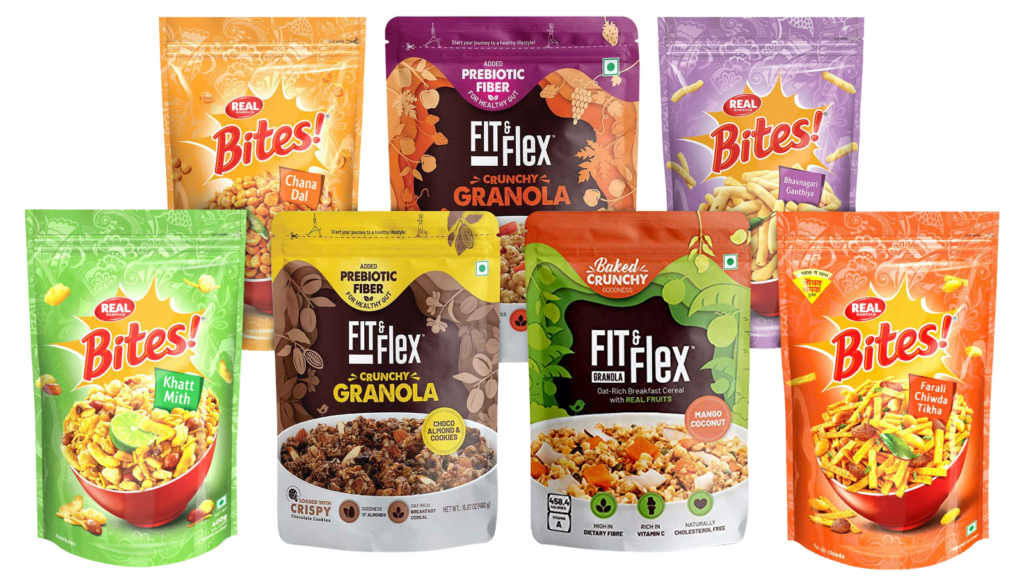
Where a Pick Fill Seal Machine Fits for a Brand
A pick fill seal machine is usually the right call when the pouch format itself is doing marketing or functional work: a premium stand up pouch on a shelf, a resealable pouch a consumer will open and close repeatedly, or a spouted pouch for a liquid that needs a controlled pour. The pre-made pouch carries design and functional features that would be hard to build in-line, and the machine’s job is to handle that pouch gently and consistently at commercial speed.
Industries That Rely on Pick Fill Seal Machines
- Food and snacks: Stand up pouches with zippers for resealable snacks, coffee bags with degassing valves, and premium pre-printed pouches that need to look as good on a shelf as a rigid container.
- Pet food and treats: Often needs larger, gusseted pouches with high fill weights and strong seals, where pre-made pouch quality and consistency matter as much as fill accuracy.
- Personal care and home care: Spouted pouches for liquids like detergent refills or liquid soap, where the spout has to be fitted during pouch-making, not on the filling line.
- Nutraceuticals and pharmaceuticals: Sachets and pouches needing tight fill accuracy alongside tamper evident features built into the pre-made pouch itself.
Across all of these, the common thread is a pouch format with enough design or functional complexity that forming it in-line on a filling machine would be impractical.
Maintenance and Uptime on a Pick Fill Seal Line
Because a pick fill seal machine has more individual mechanical stations than a simple form fill seal line, such as separate pick, open, fill, and seal modules, uptime depends heavily on how well those stations are maintained individually. Pick heads and vacuum cups wear and need periodic replacement, seal jaws need temperature calibration checks to avoid drifting out of spec silently, and sensors used for double-pick detection need regular cleaning since dust buildup is a common cause of false rejects or missed double-picks.
Preventive maintenance schedules built around the specific wear parts of each station, rather than a single generic maintenance interval for the whole machine, tend to produce meaningfully better uptime over a multi-year production life.
What to Check Before Specifying a Pick Fill Seal Machine
A few questions tend to separate a smooth installation from a frustrating one. What is the actual pouch range the line needs to run, in both size and film type, since a machine tuned for one narrow spec will fight you on anything outside it. How often will the line change over between SKUs, since that single factor often decides whether a simpler fixed-tooling machine or a faster quick-change design is the better investment. What fill accuracy does the product actually require, since overspecifying fill precision adds cost without adding value for a forgiving product, while underspecifying it creates giveaway losses or underfill risk for a sensitive one.
It is also worth asking a prospective supplier for cycle data on the exact pouch style being considered, not just a generic top speed figure, since real throughput on a gusseted stand up pouch with a zipper can look very different from the quoted speed on a simple flat sachet.
Frequently Asked Questions About Pick Fill Seal Machines
What Is a Pick Fill Seal Machine?
A pick fill seal machine, often shortened to a PFS machine, is a type of pouch packing machine that picks up a pre-made pouch, opens it, fills it with product, and seals it, rather than forming the pouch from a roll of film during the cycle.
What Is the Difference Between a Pick Fill Seal Machine and a VFFS Machine?
A vertical form fill seal (VFFS) machine forms the pouch from flat film as part of the filling cycle, while a pick fill seal machine starts with an already finished pouch. VFFS generally runs faster on simple formats; pick fill seal handles more complex pouch styles like stand up, zipper, and spouted pouches more easily.
What Pouch Formats Can a Pick Fill Seal Machine Run?
Common formats include flat pouches, stand up pouches with gusseted bases, resealable zipper pouches, and spouted pouches for liquids, since all of these are easier to produce as a pre-made pouch than to form in-line.
How Fast Is a Pick Fill Seal Machine?
Speed varies by machine size, pouch format, and fill type, but commercial pick fill seal lines commonly run anywhere from roughly 40 to over 150 pouches per minute depending on configuration.
The Takeaway
A pick fill seal machine succeeds or fails on precision in motion: picking one pouch cleanly, opening it reliably, filling it accurately, and sealing it consistently, all while the line keeps moving. For brands choosing a pouch format, understanding that mechanism is what makes it possible to design a pouch the machine can actually run well, not just one that looks good on paper.
For related reading, see our guide to barrier film for how the pouch material itself is engineered, and our guide to tamper evident packaging for how security features are built into pre-made pouches.


[…] related reading, see our guide to pick fill seal machines for how pre-made barrier film pouches are filled and sealed, and our guide to tamper evident […]